Oligoscan is an innovative medical device
Physiological imbalance screening. Non-invasive, no blood test needed.
Learn moreOligoscan easy to use
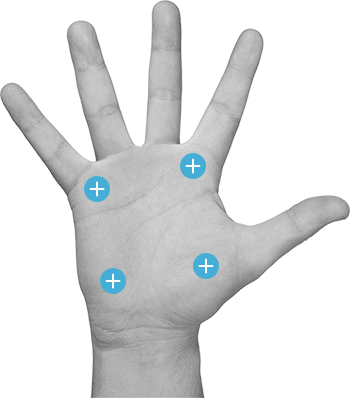
A quick evaluation of minerals and toxic metals in the palm of the hand.
Learn moreScreening of physiological imbalances helps better health control and trace minerals overall wellbeing.
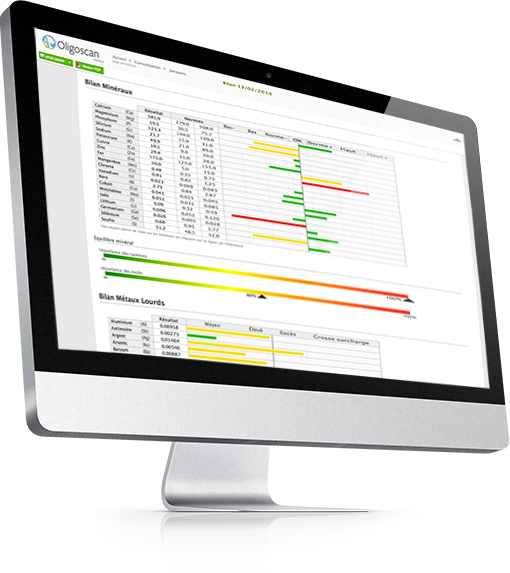
Excess and deficiency in minerals
A risk of toxic metals poisoning
Responsible for aging and numerous other diseases
Instant measurements of minerals, trace elements, oxidative stress and toxic metals.
Oligoscan can be used by all health specialists allowing for rapid and pain free analysis.
The measurement is taken directly by a portable spectrometer connected to a computer
The technology is based on spectroscopy
Evaluation of trace minerals reserves, the level of oxidative stress and toxic metals
Non-invasive measurement taken in situ
The record provided allows for detection of trace elements and minerals deficiencies as well as high rate of toxic metals in the body.
Oligoscan is now used by health professionals in many countries as a solution whenever a quick and accurate analysis of the level of trace elements, minerals and toxic metals is needed.
The Oligoscan uses optical technology : spectrophotometry.
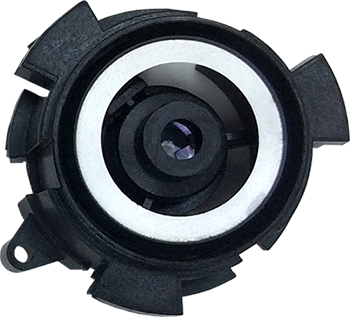
This is a quantitative analytical method of measuring the absorption or the optical density of a chemical.
It is based on the principle of absorption, transmission or reflection of light by the chemical compounds over a certain wavelength range.
Spectrophotometry is used in many areas : chemicals, pharmaceuticals, environment, food, biology, medical / clinical, industrial and others.
In the medical field, spectrophotometry is used to examine blood or tissue.
The Oligoscan is a reliable and scientifically proven tool..
A set of tests and comparative studies have been made by researchers highlighting a correlation between the results of the Oligoscan and those performed in the laboratory.
The world of esoteric knowledge and spiritual practices has undergone a massive transformation in the digital age. For practitioners and researchers of Eastern occult sciences, the emergence of "amliyat books archive new" platforms has become a bridge between centuries-old wisdom and modern accessibility. These archives serve as a central repository for rare manuscripts, practical manuals, and scholarly texts that were once hidden in private collections or crumbling libraries.
Amliyat, a term often used in South Asian and Middle Eastern contexts, refers to the practical application of spiritual or occult knowledge. This includes a wide array of disciplines such as Ilm-e-Jafar (numerology), Ilm-e-Ramal (geomancy), the use of Taweezat (amulets), and various forms of spiritual healing. Historically, this knowledge was passed down through the Peer-Mureed (teacher-disciple) relationship, often kept secret to prevent misuse. However, the rise of digital archives has democratized this information, allowing curious minds and serious practitioners alike to study the theoretical and practical frameworks of these ancient arts.
The evolution of these digital repositories also reflects a significant milestone in linguistic preservation. Many "new" archives are now integrating sophisticated Optical Character Recognition (OCR) technology specifically designed for the Nasta'liq script and classical Arabic calligraphy. This allows researchers to search for specific terms or historical figures across thousands of digitized pages, a feat that was physically impossible just a decade ago. These technological advancements have turned static image galleries into dynamic research tools for academics specializing in Near Eastern studies and the history of science.
As the "amliyat books archive new" platforms continue to mature, they represent a significant contribution to the global digital humanities landscape. They ensure that a unique segment of intellectual history—one that blends philosophy, linguistics, and traditional beliefs—is not lost to time. For anyone interested in the preservation of cultural heritage, these digital libraries stand as a testament to the enduring human desire to document and understand the mysteries of the world.
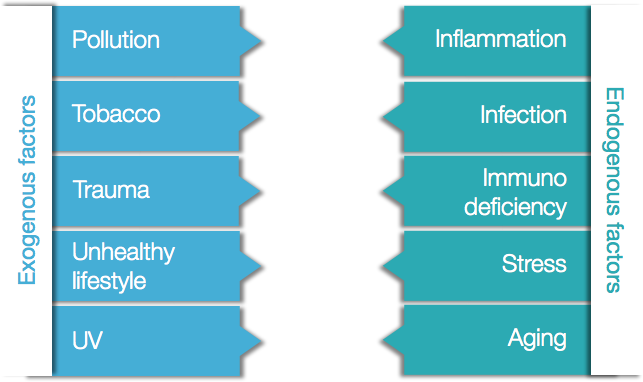
Free radicals are molecules produced in small amounts by the body. These free radicals are very reactive substances, capable of damaging the components of the cells (enzyme proteins, lipid membranes, DNA).
Their production is particularly stimulated by the exposure to sunlight (UV), tobacco, pollution, pesticides, etc.
A diet rich in antioxidants, particularly found in some fruits and vegetables, is essential in fighting free radicals.
Some scientific references :
The world of esoteric knowledge and spiritual practices has undergone a massive transformation in the digital age. For practitioners and researchers of Eastern occult sciences, the emergence of "amliyat books archive new" platforms has become a bridge between centuries-old wisdom and modern accessibility. These archives serve as a central repository for rare manuscripts, practical manuals, and scholarly texts that were once hidden in private collections or crumbling libraries.
Amliyat, a term often used in South Asian and Middle Eastern contexts, refers to the practical application of spiritual or occult knowledge. This includes a wide array of disciplines such as Ilm-e-Jafar (numerology), Ilm-e-Ramal (geomancy), the use of Taweezat (amulets), and various forms of spiritual healing. Historically, this knowledge was passed down through the Peer-Mureed (teacher-disciple) relationship, often kept secret to prevent misuse. However, the rise of digital archives has democratized this information, allowing curious minds and serious practitioners alike to study the theoretical and practical frameworks of these ancient arts.
The evolution of these digital repositories also reflects a significant milestone in linguistic preservation. Many "new" archives are now integrating sophisticated Optical Character Recognition (OCR) technology specifically designed for the Nasta'liq script and classical Arabic calligraphy. This allows researchers to search for specific terms or historical figures across thousands of digitized pages, a feat that was physically impossible just a decade ago. These technological advancements have turned static image galleries into dynamic research tools for academics specializing in Near Eastern studies and the history of science.
As the "amliyat books archive new" platforms continue to mature, they represent a significant contribution to the global digital humanities landscape. They ensure that a unique segment of intellectual history—one that blends philosophy, linguistics, and traditional beliefs—is not lost to time. For anyone interested in the preservation of cultural heritage, these digital libraries stand as a testament to the enduring human desire to document and understand the mysteries of the world.