Simplest way to your professional CV
Latina Abuse Mishy Snow Link !new! May 2026
It's free, try without an account
It's free, try without an account

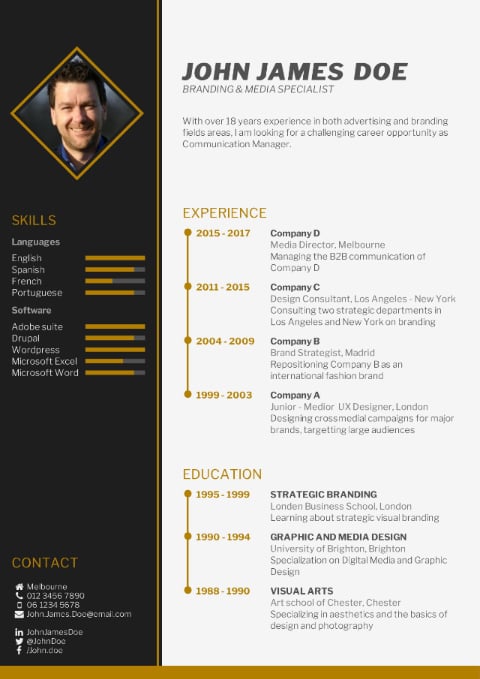
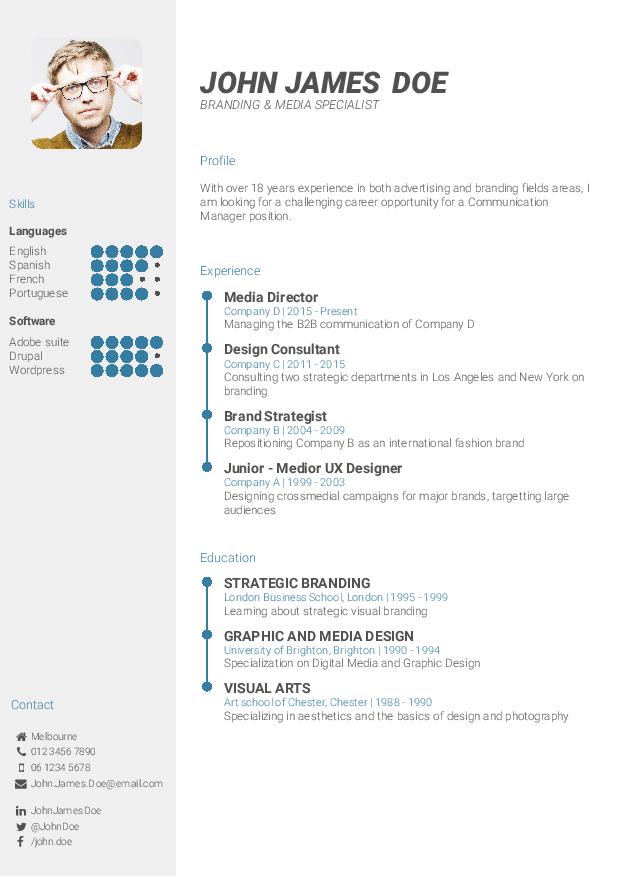
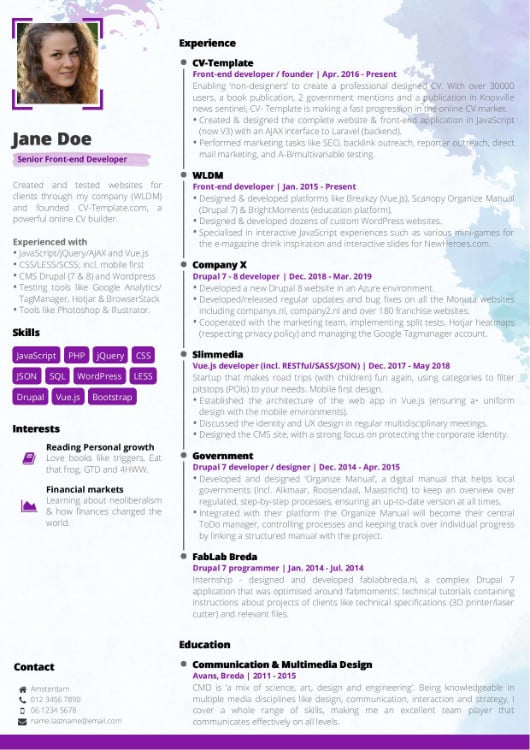
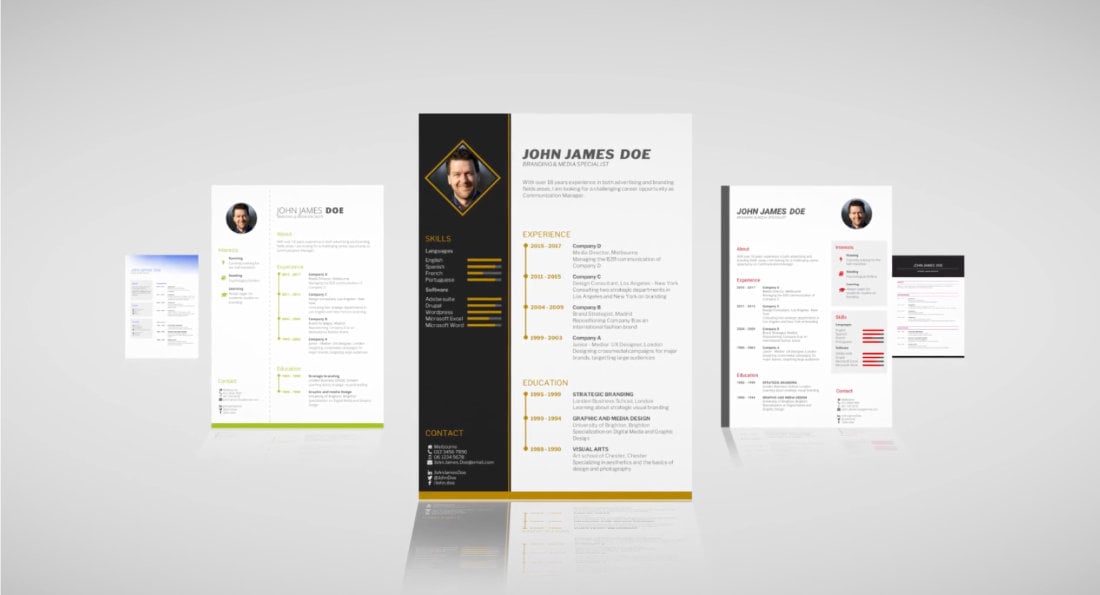
Our online CV templates are analyzed and optimized using Eye-tracking algorithms, ensuring your best first impression.

Every CV template contains your optimal CV format, maximizing your chances of success. Take the free CV test to discover yours!

Forget hours of struggle making your CV look decent. Just follow the CV format and get your great-looking CV in a matter of minutes.
Answer 7 simple questions and your free personal report will tell you exactly how to write your CV for maximum impact!
Today, duplicating your CV is as easy as copy and paste, which is why everybody is doing this... You have to impress within 20 seconds or you are gone. That's why you need to stand out with your CV.
Our free CV builder is trusted by over 1011661 users
Latina women, like their counterparts in other demographic groups, face a disproportionate risk of experiencing abuse. According to the National Coalition Against Domestic Violence (NCADV), Hispanic or Latina women are more likely than any other group of women to experience domestic violence. The numbers are stark: in 2017, 45.6% of Hispanic or Latina women in the United States reported experiencing some form of violence by an intimate partner in their lifetime.
The issue of Latina abuse, as highlighted through the keyword "latina abuse mishy snow link," serves as a poignant reminder of the work that remains to be done in combating domestic violence within this community. By understanding the scope of the problem, recognizing the cultural and systemic challenges, and acting to provide solutions, we can begin to break the silence around this critical issue.
Moreover, cultural perceptions of family and relationships can sometimes normalize or trivialize abuse. The emphasis on family unity and the stigma associated with divorce or separation can make it difficult for Latina women to leave abusive relationships.
It's only through concerted effort and commitment that we can hope to reduce the incidence of abuse, support survivors in their journey toward healing, and ultimately create a safer, more supportive environment for all Latina women. The conversation starts here, but it must continue in communities, in homes, and through the persistent advocacy for change.