Design at Scale

Mapgen V2.2 Instant

The design system startups and agencies use to save thousands of hours so they can craft what matters.

A UX tested Design System library for digital makers for Figma. Current version 2.0

1540+

Custom Components

300+

Token Variables

440+

Original Icons

110+

Styles & Effects

Join a community of 80K+

Used by talent inside

companies

Save time to craft what matters.

Components
Components

Pixel Perfect

Stop wasting time on trivial work and boost your ability to craft on what matters most.

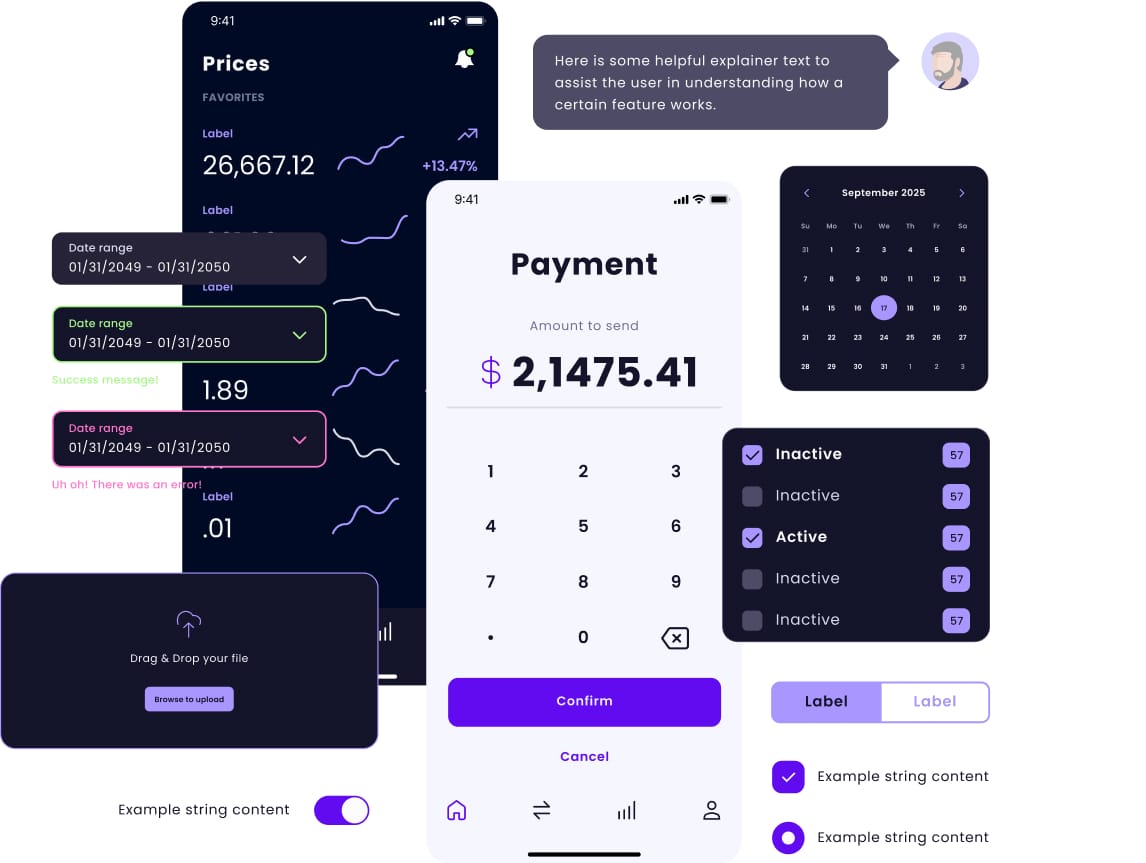
  • Buttons & Forms
  • Native & Web
  • App Components
  • Data Charts
Branding

Flexible theming

Eliminate design fragmentation and quickly transform components into unique branded products. mapgen v2.2
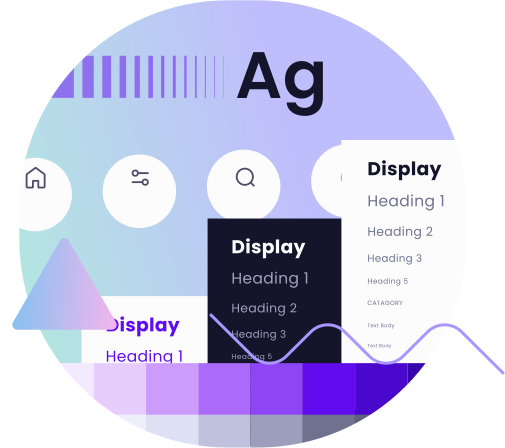
  • Typography
  • Color Palettes
  • Custom Icons
  • Styles & Effects
Companies
Example
Recipes

Endless Inspiration

To help imagine all that can be designed with Pegasus, we included popular layout examples made for desktop and mobile too. Procedural generation stands as one of the most

  • Full Landing Pages
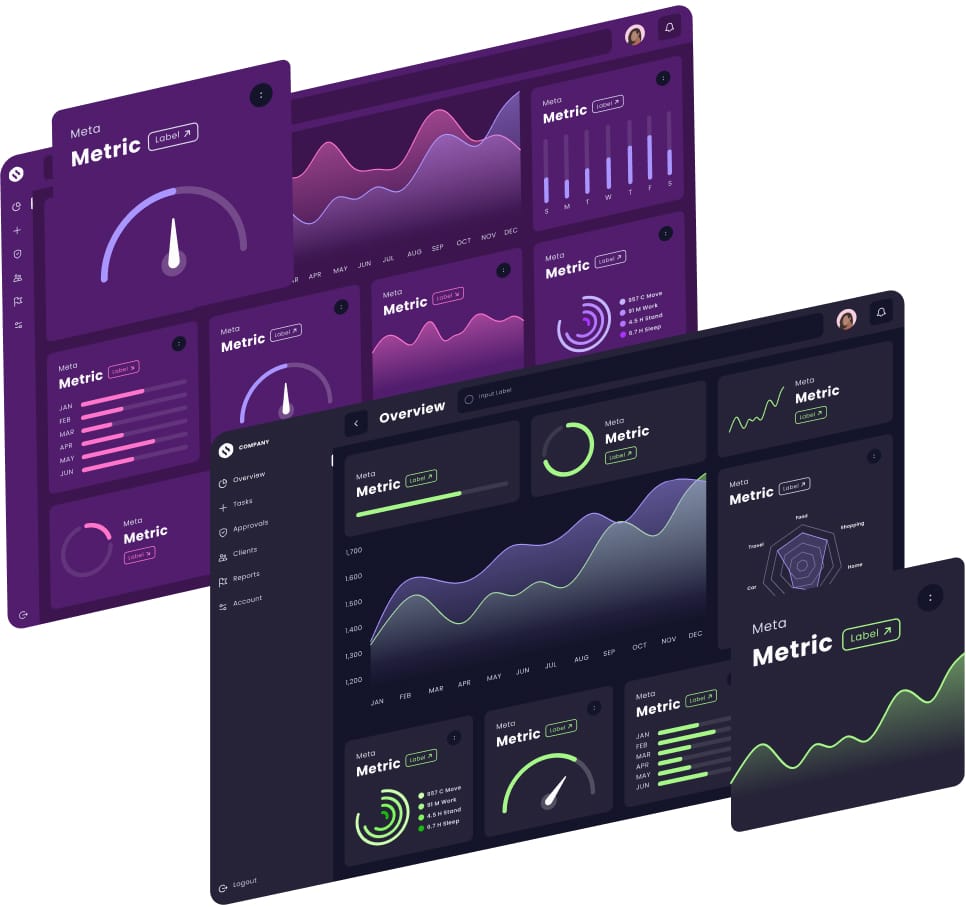
  • Custom Dashboards
  • Native app screens
  • Signup and Login
Accessibility

Built for everyone

Let everyone use the products you create. Pegasus uses WCAG 2.1 AA rated contrast and focus states. This results in terrain that feels grounded; rivers


  • AA Type/Color Contrast
  • Ample component padding
  • Tab States
  • Focus States
Accessibity
Example
Responsive

Mobile Included

To help imagine all that can be designed with Pegasus, we included popular layout examples made for desktop and mobile too.

  • Video Streaming
  • Ride Sharing
  • Audio Players
  • Settings
10X Design

Your instant workflow accelerator.

Design System Feature Design System Feature Design System Feature Design System Feature Design System Feature Design System Feature Design System Feature Design System Feature Design System Feature Design System Feature Design System Feature Design System Feature Design System Feature Design System Feature Design System Feature Design System Feature Design System Feature Design System Feature Design System Feature Design System Feature Design System Feature Design System Feature Design System Feature Design System Feature Design System Feature Design System Feature Design System Feature Design System Feature Design System Feature Design System Feature Design System Feature Design System Feature Design System Feature Design System Feature Design System Feature Design System Feature Design System Feature Design System Feature Design System Feature Design System Feature Design System Feature Design System Feature Design System Feature Design System Feature Design System Feature Design System Feature Design System Feature Design System Feature Design System Feature Design System Feature Design System Feature Design System Feature Design System Feature Design System Feature Design System Feature Design System Feature Design System Feature Design System Feature Design System Feature Design System Feature Design System Feature Design System Feature Design System Feature Design System Feature Design System Feature Design System Feature Design System Feature Design System Feature Design System Feature Design System Feature Design System Feature Design System Feature Design System Feature Design System Feature Design System Feature Design System Feature Design System Feature Design System Feature Design System Feature Design System Feature Design System Feature Design System Feature Design System Feature Design System Feature Design System Feature Design System Feature Design System Feature Design System Feature Design System Feature Design System Feature Design System Feature Design System Feature Design System Feature Design System Feature Design System Feature Design System Feature Design System Feature Design System Feature Design System Feature Design System Feature Design System Feature Design System Feature Design System Feature Design System Feature Design System Feature Design System Feature Design System Feature Design System Feature Design System Feature Design System Feature Design System Feature Design System Feature Design System Feature Design System Feature Design System Feature Design System Feature Design System Feature Design System Feature Design System Feature Design System Feature Design System Feature Design System Feature Design System Feature Design System Feature Design System Feature Design System Feature Design System Feature Design System Feature Design System Feature Design System Feature Design System Feature Design System Feature Design System Feature Design System Feature Design System Feature
together

Bringing design & development together.

Design teams, front-end engineers and project managers all need a source of truth. Pegasus Design System can be customized to meet any brand.

Testimonials

We serve makers...

Mapgen V2.2 Instant

Procedural generation stands as one of the most transformative pillars of modern game development, and the release of MapGen v2.2 marks a significant leap forward for developers seeking to create expansive, believable worlds. This latest iteration of the MapGen suite refines the delicate balance between mathematical randomness and artistic control, offering a more robust toolkit for indie creators and AA studios alike.

The core philosophy of MapGen v2.2 revolves around "Geological Logic." While earlier versions focused heavily on simple heightmap noise, v2.2 introduces an integrated erosion and drainage system that simulates millions of years of environmental wear in milliseconds. This results in terrain that feels grounded; rivers follow the path of least resistance with realistic meandering, and mountain ranges feature the jagged, weathered silhouettes characteristic of real-world tectonic activity.

For designers who prefer a hands-on approach, the "Guided Randomness" feature has been expanded. This allows users to paint broad strokes—identifying where they want a coastline, a volcano, or a canyon—while letting the MapGen v2.2 algorithms fill in the granular details. This hybrid workflow ensures that the procedural output aligns with the game’s narrative and mechanical requirements without sacrificing the variety that randomness provides.