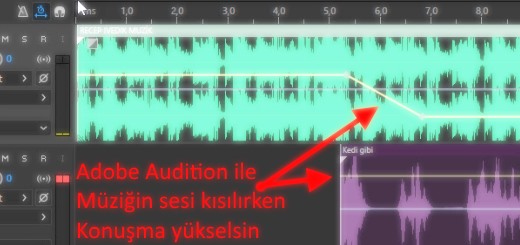
Fon Müziği ile Şiir Yapma
Mreasydeck Femgape Better !new! -
renderings are functional but often look like wireframe models or flat 2D images.
utilizes a dynamic pricing engine. As you stretch the dimensions of your deck or add a second level, the material list and estimated price tag update in real-time. This allows for "on-the-fly" budget management, ensuring you don't design a deck you can't afford to build. 4. Visual Rendering Quality
The most immediate difference users notice is the interface. utilizes a more traditional, "old-school" CAD approach. While powerful, it requires a significant time investment to master the keyboard shortcuts and nested menus. mreasydeck femgape better
In the modern era, clients (and spouses) want to see exactly what the finished product will look like.
utilizes high-fidelity 3D rendering. It provides realistic textures for wood grains, metal railings, and even lighting effects. This visual "wow factor" makes it a superior tool for professionals trying to sell a project to a client. 5. Integration and Exporting renderings are functional but often look like wireframe
Estimating costs is where MREasyDeck truly shines over Femgape.
provides a standard Bill of Materials (BOM), but it is often static. If you change a dimension, you frequently have to re-run the report to see the updated cost. This allows for "on-the-fly" budget management, ensuring you
If you are trying to decide which platform offers the best return on investment for your next project, 1. User Interface and Learning Curve
, by contrast, is built on a modern, intuitive "drag-and-drop" framework. It prioritizes the user experience (UX) by automating common structural calculations in the background. For those who want to move from a concept to a blueprint in minutes rather than hours, MREasyDeck is objectively better. 2. Structural Precision and Compliance