Natsumi Kato - Tokyo-hot N0790 - Tokyo Hot - Un... Best -

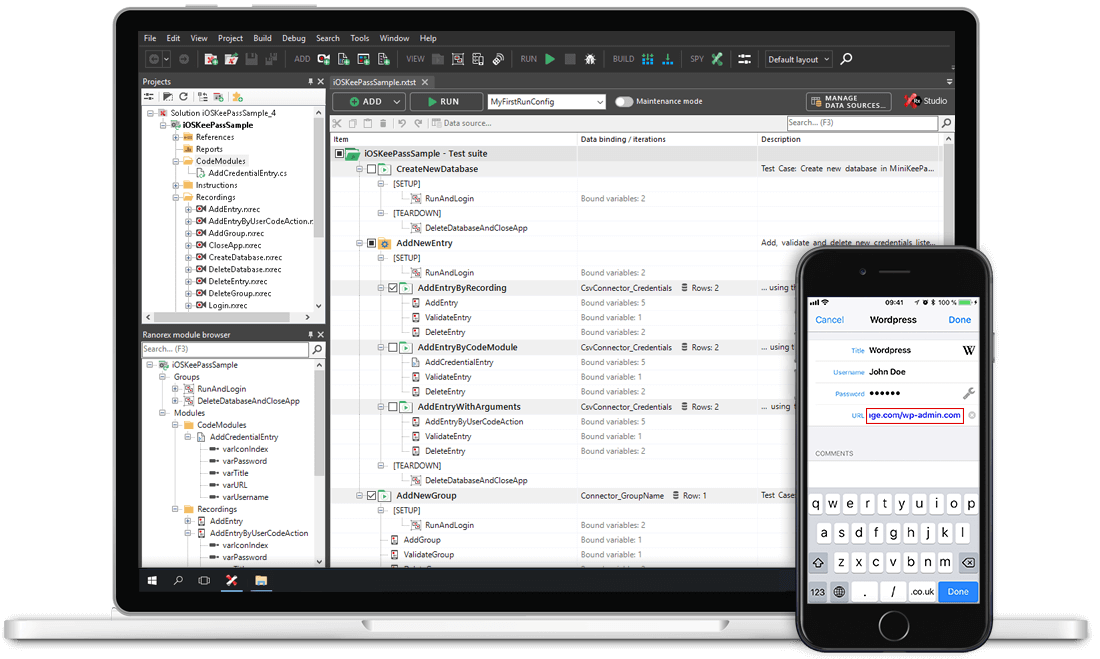
Black-box testing with Ranorex Studio empowers QA teams to test software from the user’s perspective without accessing source code. Automate desktop, web, and mobile UI tests using advanced object recognition with Ranorex Spy.
Effective Black Box Testing Methods You Need to Try

Why Black-Box Testing Is Important

When teams overlook black-box testing, user-facing bugs can slip into production. That leads to damaged customer trust, increased support costs, and a slower release schedule. Because black-box testing doesn’t rely on code access, it gives QA teams a true-to-life view of how features perform in the hands of real users. Uncover UI issues, workflow failures, and logic gaps that internal testing might miss. By validating behavior at the surface level, black-box testing becomes a critical safeguard for user satisfaction and application reliability.

What Is Black-Box Testing?

Black-box testing validates software by focusing on its external behavior and what the system does without looking at the internal code. Testers input data, interact with the UI, and verify outputs based on expected results. It’s used to evaluate functionality, usability, and user-facing workflows.

This technique is especially useful when testers don’t have access to the source code or when the priority is ensuring a smooth user experience. It allows QA teams to test applications as end users would–click by click, screen by screen—making it practical for desktop, web, and mobile platforms.

Ranorex-_Black-Box-Testing

When to Use Black-Box Testing

Black-box testing is most valuable when the goal is to validate what the software does without needing to understand how it’s built. It’s typically used after unit testing and during system, regression, or acceptance phases, especially when verifying real-world user experiences across platforms.

Use Black-Box Testing to:

  • Validate login, checkout, or other end-to-end user workflows
  • Confirm new feature behavior before deployment
  • Run regression tests after updates or bug fixes
  • Check cross-platform consistency on web, desktop, and mobile
  • Support user acceptance testing (UAT) for go-live confidence

How to Perform Black-Box Testing

Define Test Scenarios

Start with the functional requirements and user stories that describe what the software should do. Focus on real-world workflows that matter to users.

Design Test Cases

For each scenario, create test cases with clear inputs and expected outputs. Be sure to include common paths and edge cases.

Set Up the Test Environment

Configure browsers, devices, or operating systems to reflect how users will access your application. Keep environments consistent to avoid false positives.

Execute Tests

Run your tests using tools like Ranorex Studio to simulate user interactions. Whether recording or scripting, verify functionality from the UI layer.

Analyze Results and Flag Issues

Review test logs, screenshots, and reports to identify failures. Report any unexpected behavior back to the dev team for triage and fixes.

Best Practices for Black-Box Testing

Setup Tips

  • Base your tests on well-documented user stories or functional specs.
  • Mirror production as closely as possible in your test environments.
  • Centralize test data and credentials to keep scenarios consistent and manageable.

Performance Tuning

  • Prioritize tests around the most used or most business-critical workflows.
  • Automate repeatable scenarios to reduce manual effort and accelerate cycles.
  • Periodically audit your test suite to remove outdated or redundant cases.

Edge Cases to Check

  • Test form inputs with min/max values, special characters, or invalid formats.
  • Simulate unexpected behavior like incomplete submissions or session timeouts.
  • Validate how the system handles errors, interruptions, or restricted user access.

The Tokyo Hot "n" series (running from n0001 through several thousand entries) acts as a digital archive of the industry's evolution. Entry n0790 represents a time when the internet was first beginning to globalize Japanese adult media.

Natsumi Kato was a prominent figure in the "indie" and uncensored sectors of the Japanese adult industry. Unlike the "Idol" AV actresses who often followed highly choreographed and soft-focus productions, Kato was known for her raw, natural energy. Her appeal lay in her "girl-next-door" persona paired with a fearless approach to more intense content.

Natsumi Kato’s work in remains a benchmark for the studio's classic era. It showcases a performer who was comfortable in her own skin and a studio that wasn't afraid to break the traditional rules of Japanese media. For those exploring the history of uncensored Japanese adult cinema, Kato remains an essential figure whose filmography defines a specific, high-energy era of the genre.

In n0790, the production value captured Kato at the height of her popularity. The film focused heavily on her versatility, moving through various "chapters" that highlighted her athletic build and her ability to handle the studio's notoriously demanding production schedules. For fans of the "UN" (Uncensored) genre, this specific entry provided a level of detail and intimacy that was simply unavailable in the domestic Japanese market at the time. The Legacy of the "n" Series

Tokyo Hot (often stylized as Tokyo-Hot) carved out a unique niche in the global adult market. While mainstream Japanese studios were bound by strict domestic censorship laws—requiring the use of "mosaics"—Tokyo Hot targeted an international audience by releasing uncensored content.

During her tenure, she became a staple for collectors who preferred the realism offered by studios like Tokyo Hot. Her performances were often characterized by a high level of physical endurance and a genuine expressive quality that set her apart from her peers. The Tokyo Hot Aesthetic: Beyond the Mainstream

The release is often cited as one of Natsumi Kato’s definitive performances. In the numbering system used by Tokyo Hot, the "n" series typically represented high-quality solo features or themed vignettes.

Almost every fan of the studio recognizes the upbeat, electronic "Tokyo Hot Theme," which became a meme in its own right.

Natsumi Kato’s contribution to this series helped bridge the gap between niche Japanese content and a worldwide audience. Even years after her retirement, her work continues to be discussed in forums and archival sites, proving that the raw, "uncut" style of the 2000s still holds a particular nostalgia for long-time viewers. Conclusion

Explore More Testing Topics

Unit Testing

Catch bugs early by testing individual components in isolation before integrating them into full workflows.
Learn More

Functional Testing

Validate end-user workflows like logins or checkouts across platforms—critical for black-box coverage.
Learn More

Regression Testing

Re-test key functionality after updates to prevent new changes from breaking existing features.
Learn More

Data-Driven Testing

Run black-box tests with varied inputs and scenarios to boost coverage without extra scripts.
Learn More

Mobile Testing

Ensure quality across mobile platforms by automating user journeys on real devices or emulators.
Learn More
book-mobile

Catch Bugs Before Users Do

Black-box testing with Ranorex lets you find issues faster, earlier, and where they’re most likely to affect the user experience.