Understanding Online Content: A Guide to Navigating Private and Public Media
Most online platforms have community guidelines and terms of service that outline what types of content are allowed and what types are prohibited. These guidelines help ensure that users can engage with content that is respectful, safe, and suitable for their age and preferences. For example, some platforms have strict policies against explicit content, while others may allow it with certain restrictions.
When it comes to online content, the terms "private" and "public" refer to the visibility and accessibility of the media. Public media is content that is available to anyone, anywhere, and can be accessed without any restrictions. This type of content is often shared on social media platforms, video-sharing sites, and blogs. On the other hand, private media is content that is only accessible to a select group of people, often through invitation or subscription.
The internet has transformed the way we consume and share content. With the rise of social media platforms, video-sharing sites, and online communities, it's easier than ever to access and engage with various types of media. However, this increased accessibility has also led to concerns about content moderation, online safety, and user privacy. In this article, we'll explore the concept of private versus public media, the importance of online content guidelines, and provide tips for navigating the complex world of online media.
The internet offers a vast array of online content, from public media to private and restricted content. By understanding online content guidelines, using reputable platforms, and being cautious with private content, users can navigate the complex world of online media with confidence. Remember to always prioritize online safety, respect content creators and their work, and engage with media that is suitable for your interests and preferences.
Paah Bigo Private -1- - Poophd07-35 Min -
Understanding Online Content: A Guide to Navigating Private and Public Media
Most online platforms have community guidelines and terms of service that outline what types of content are allowed and what types are prohibited. These guidelines help ensure that users can engage with content that is respectful, safe, and suitable for their age and preferences. For example, some platforms have strict policies against explicit content, while others may allow it with certain restrictions. Paah Bigo Private -1- - PoopHD07-35 Min
When it comes to online content, the terms "private" and "public" refer to the visibility and accessibility of the media. Public media is content that is available to anyone, anywhere, and can be accessed without any restrictions. This type of content is often shared on social media platforms, video-sharing sites, and blogs. On the other hand, private media is content that is only accessible to a select group of people, often through invitation or subscription. Understanding Online Content: A Guide to Navigating Private
The internet has transformed the way we consume and share content. With the rise of social media platforms, video-sharing sites, and online communities, it's easier than ever to access and engage with various types of media. However, this increased accessibility has also led to concerns about content moderation, online safety, and user privacy. In this article, we'll explore the concept of private versus public media, the importance of online content guidelines, and provide tips for navigating the complex world of online media. When it comes to online content, the terms
The internet offers a vast array of online content, from public media to private and restricted content. By understanding online content guidelines, using reputable platforms, and being cautious with private content, users can navigate the complex world of online media with confidence. Remember to always prioritize online safety, respect content creators and their work, and engage with media that is suitable for your interests and preferences.


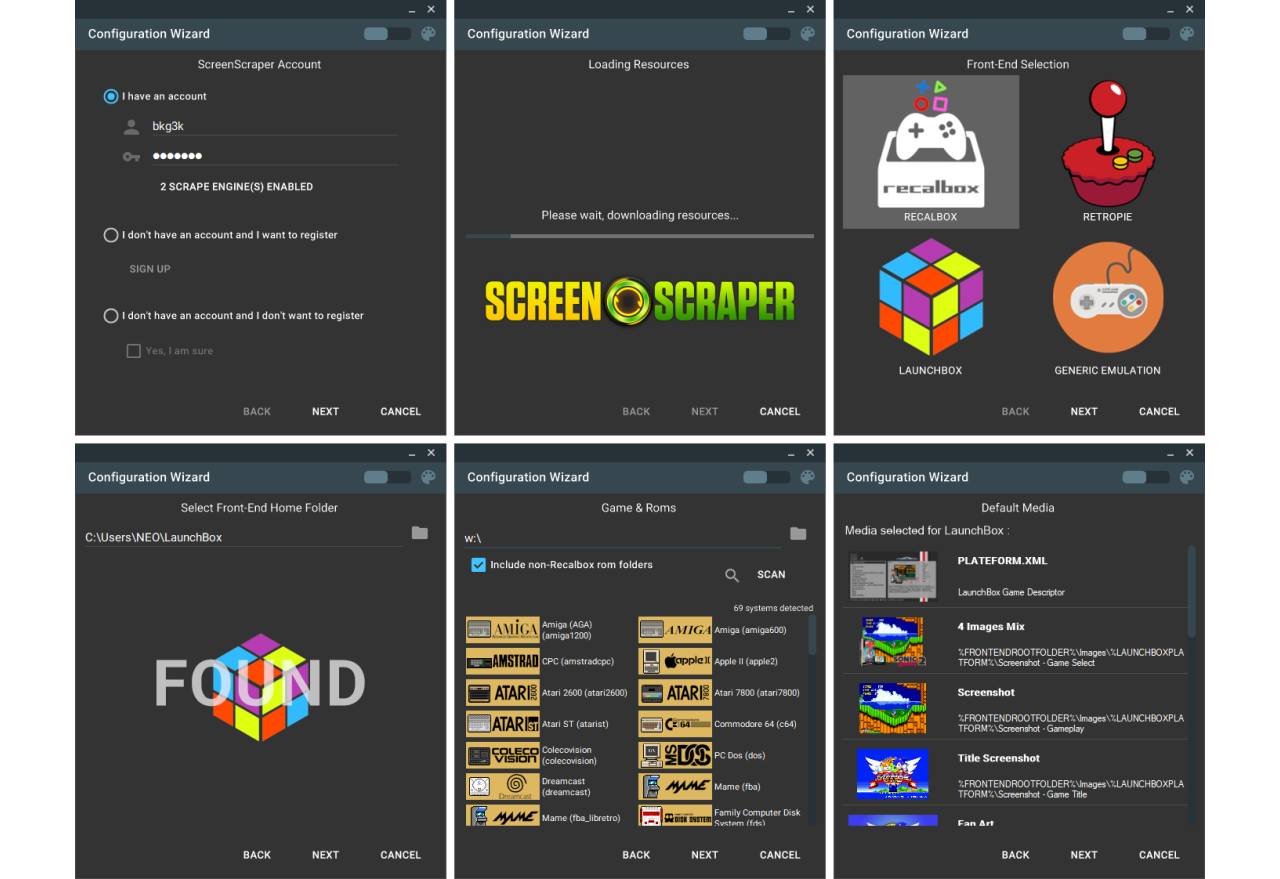
 RECALBOX
 RETROPIE
 LAUNCHBOX