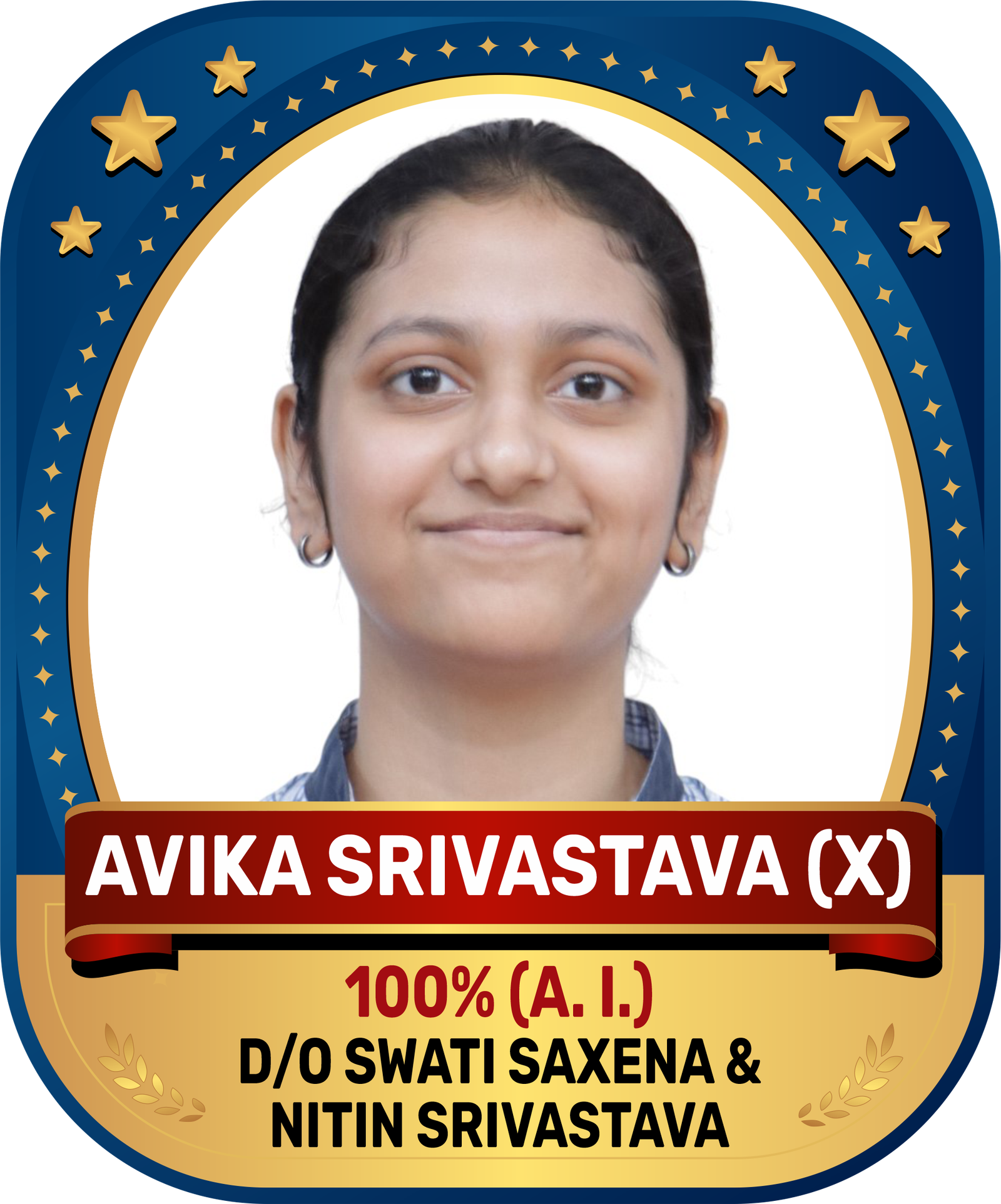
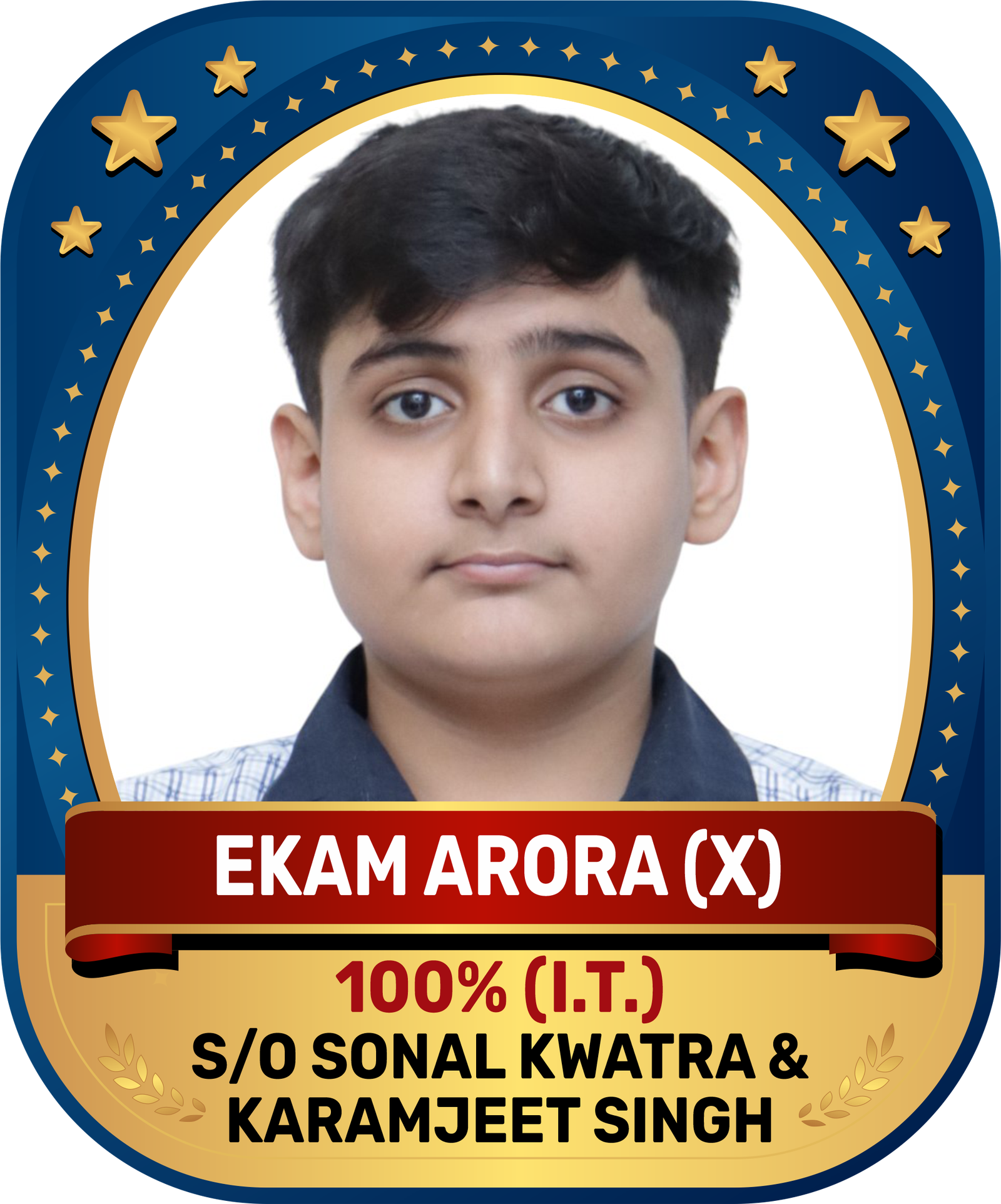
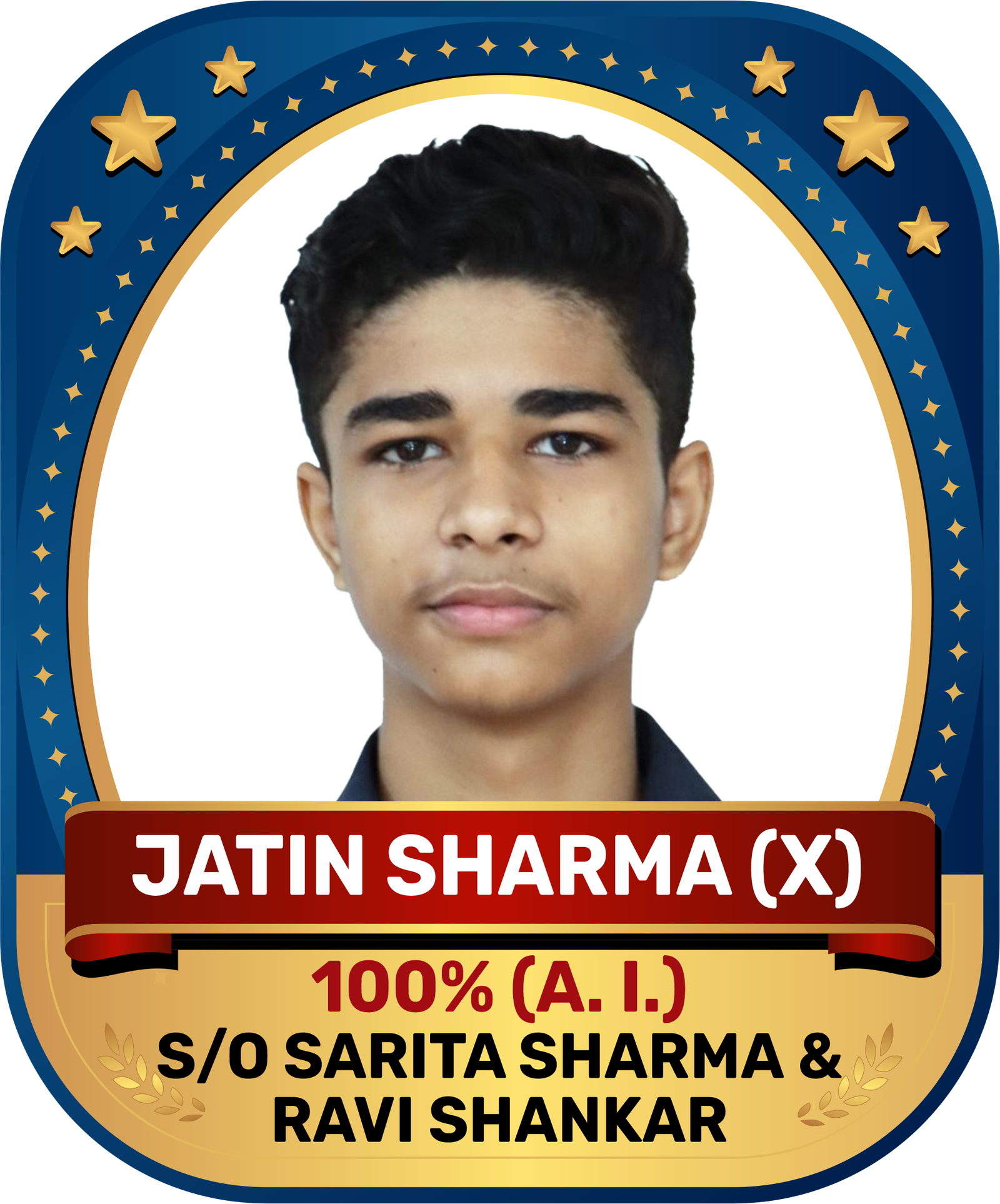
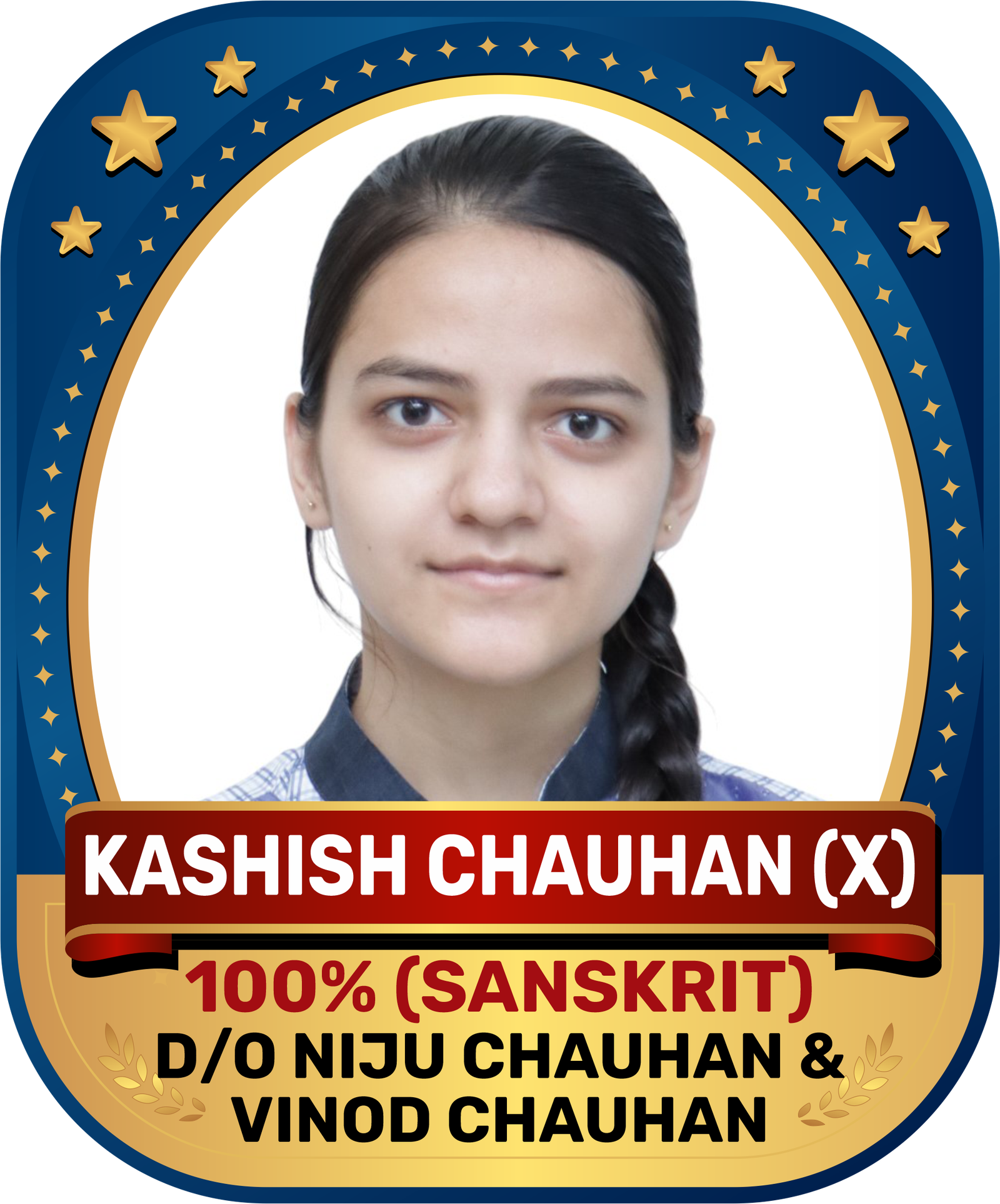
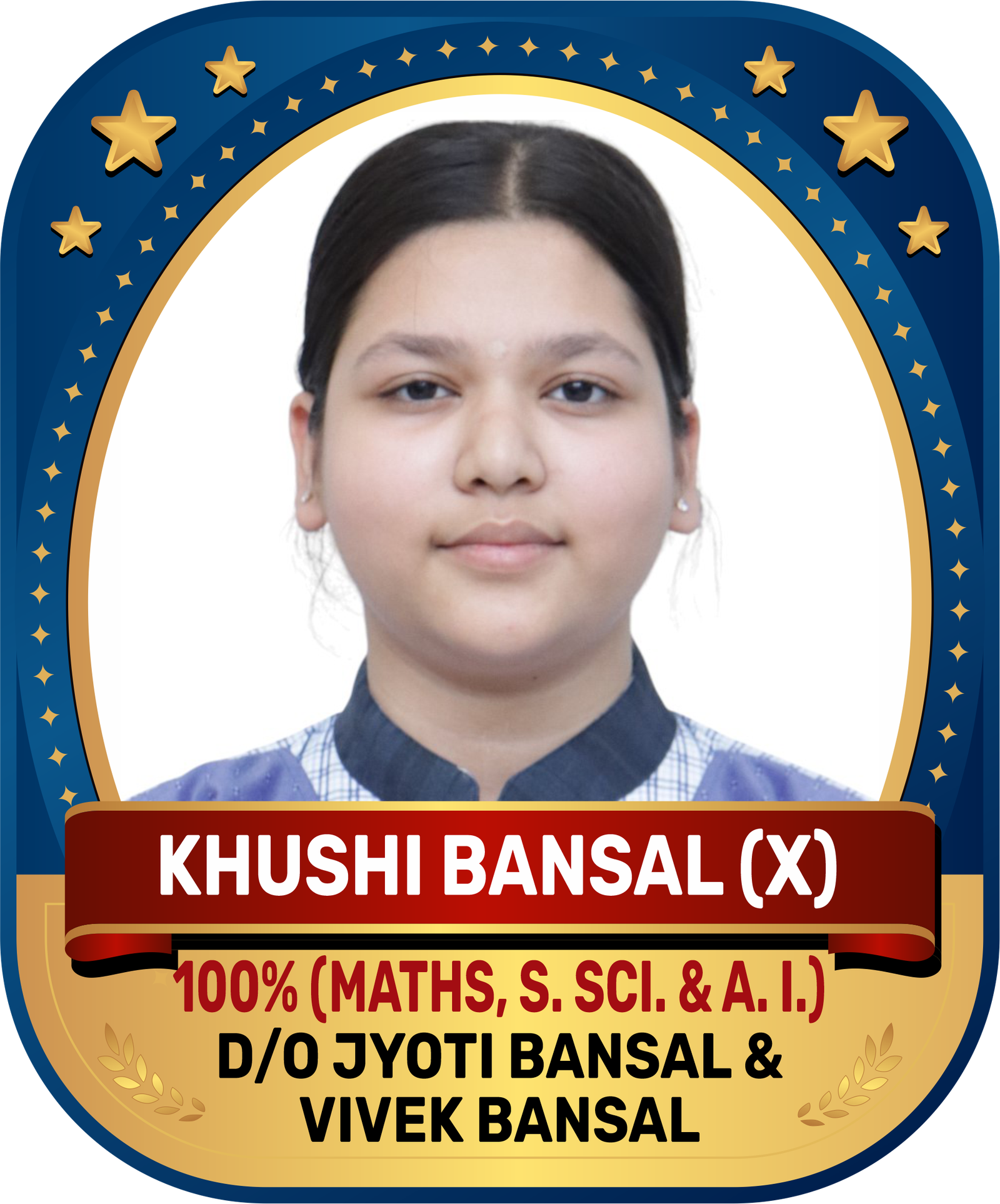
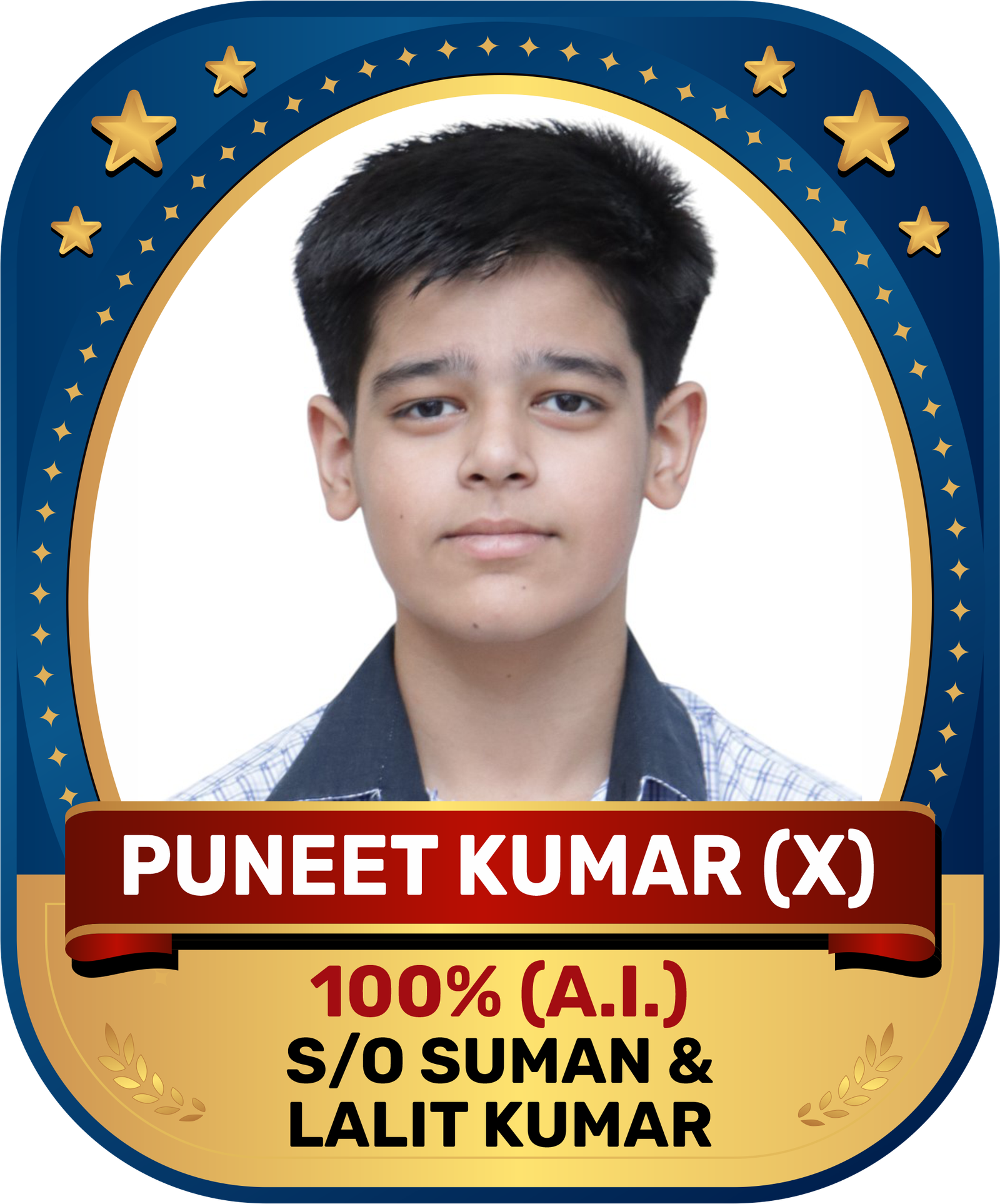
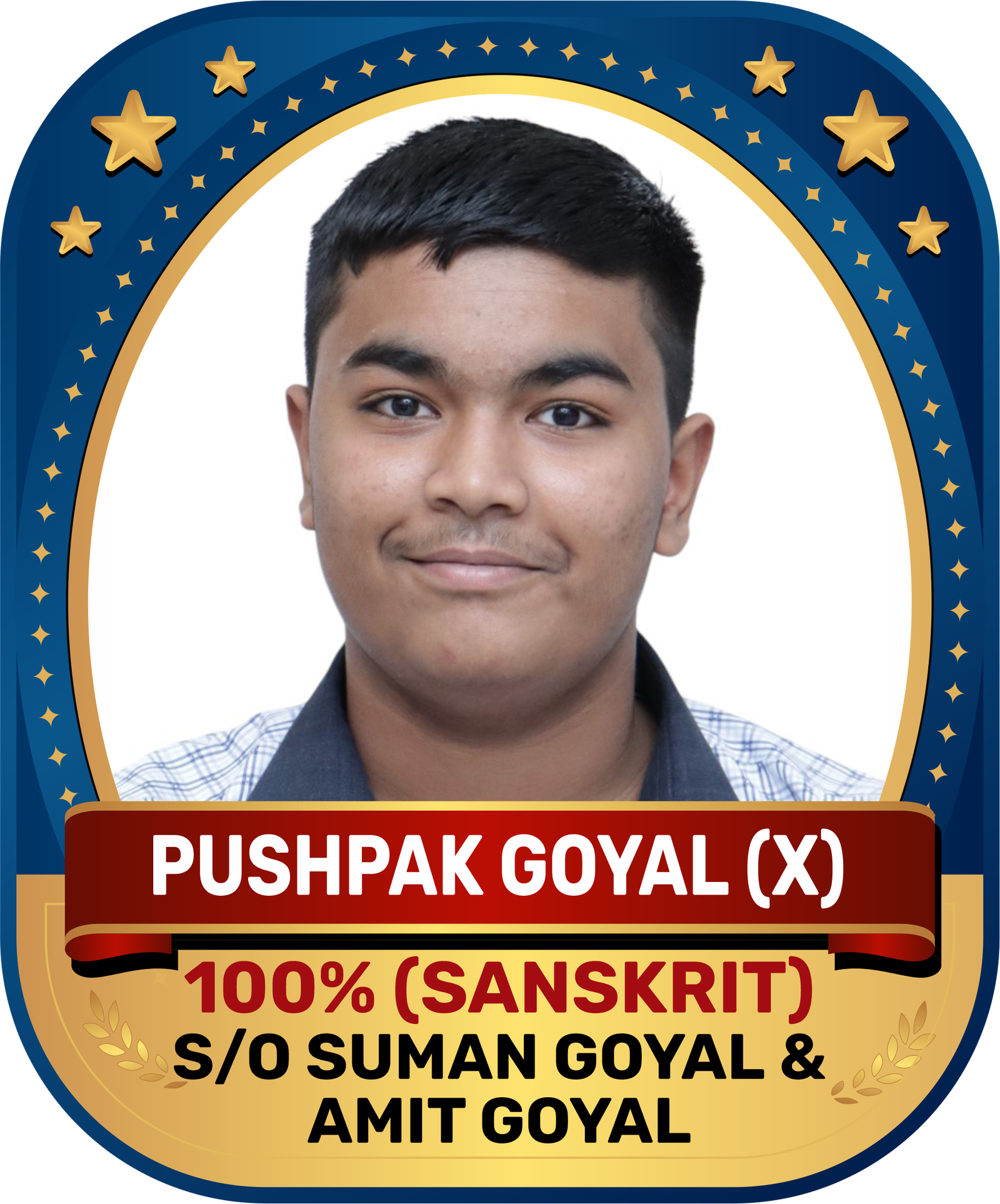
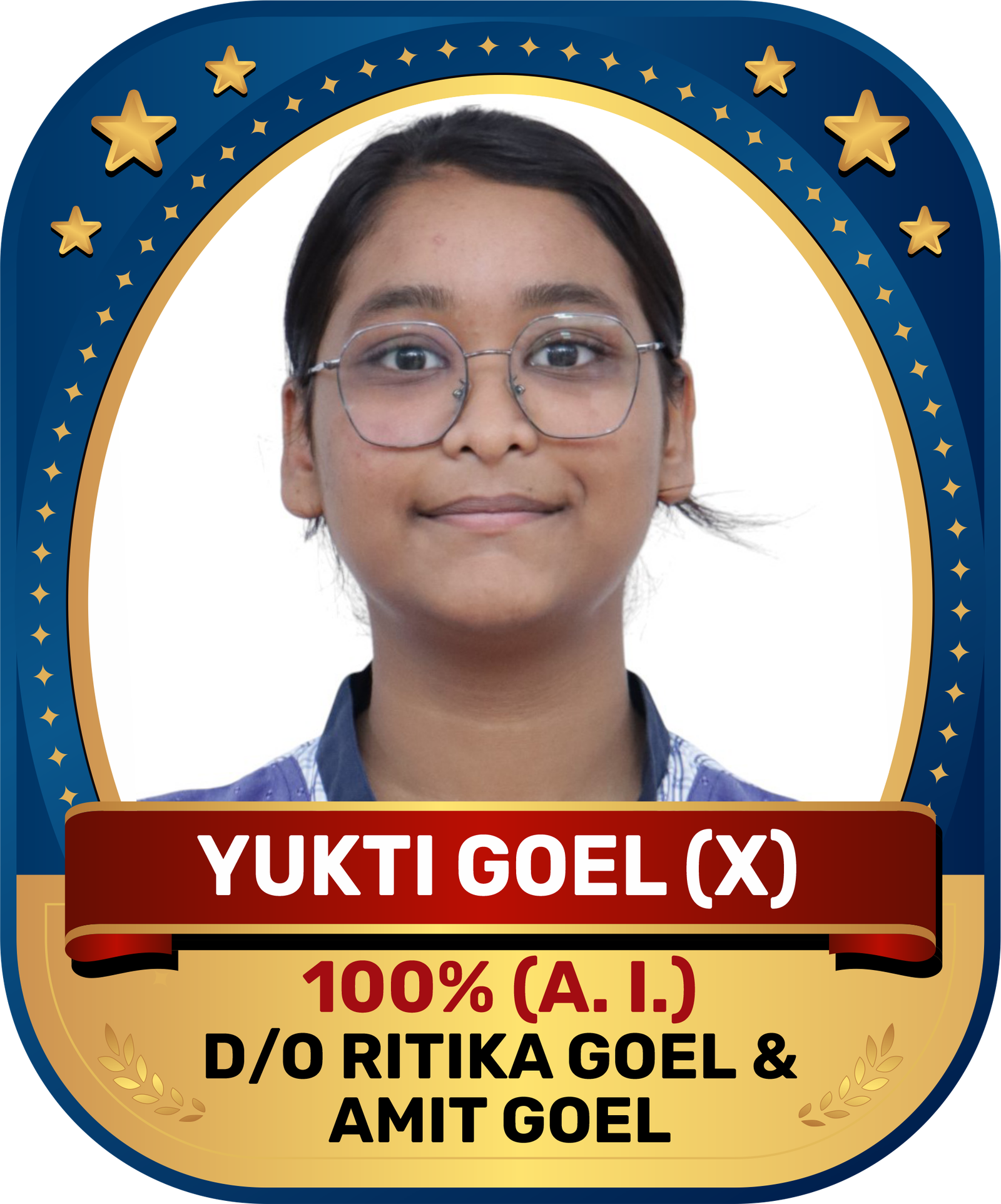
CBSE BOARD RESULTS (2025-26)
Management and Staff Congratulate Students for Excellent Results!!
Topper of LFPS (2025-26)
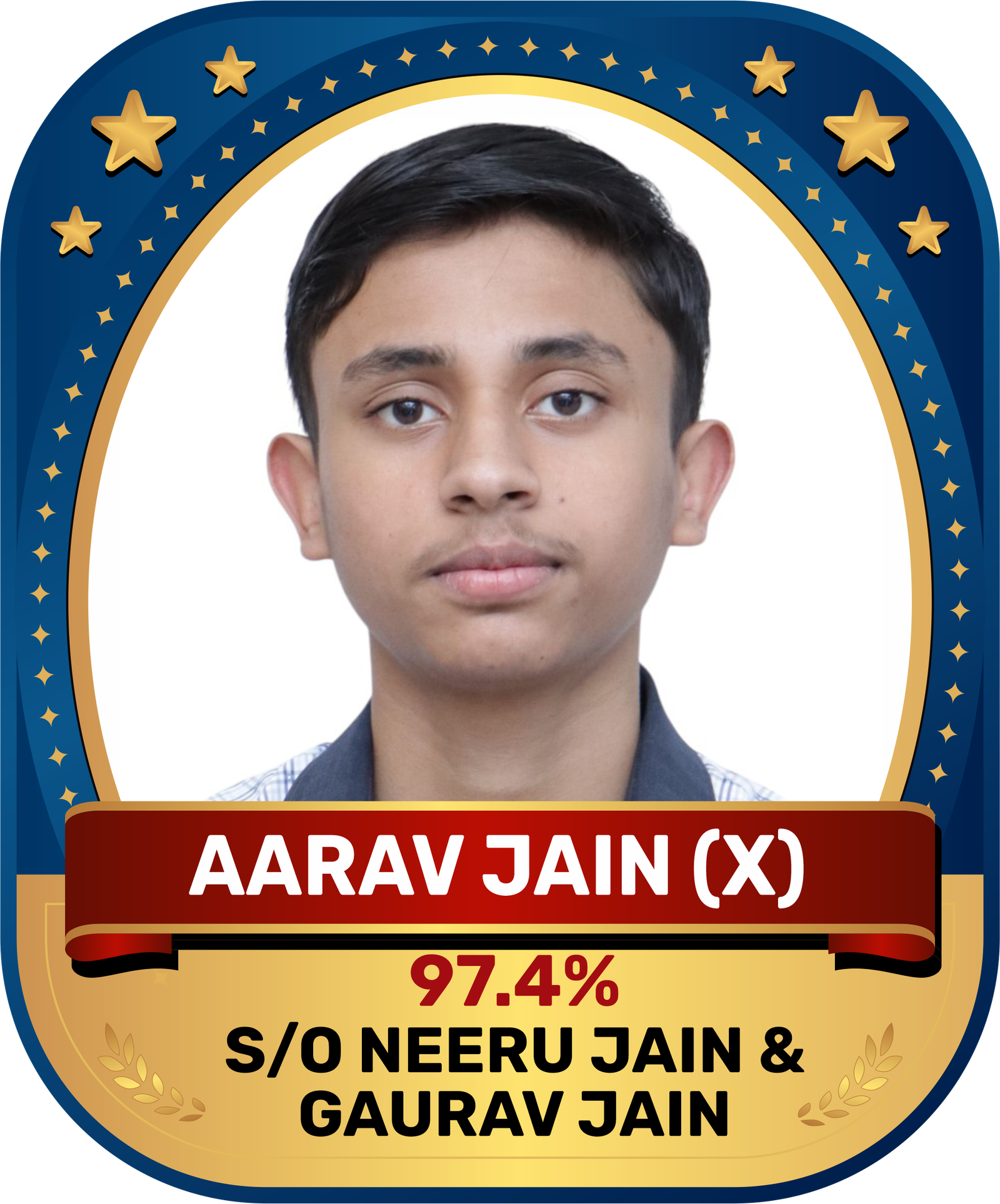
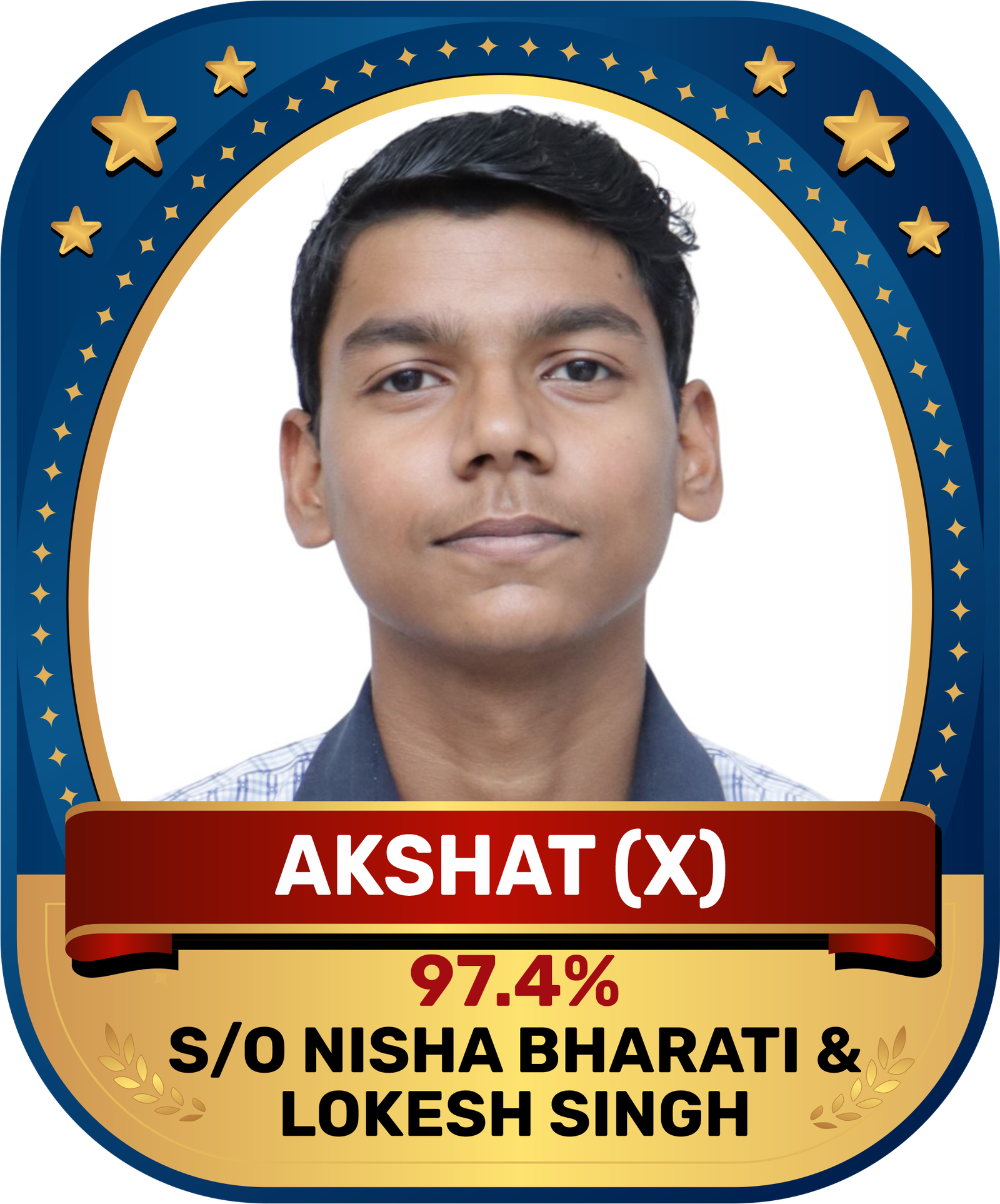
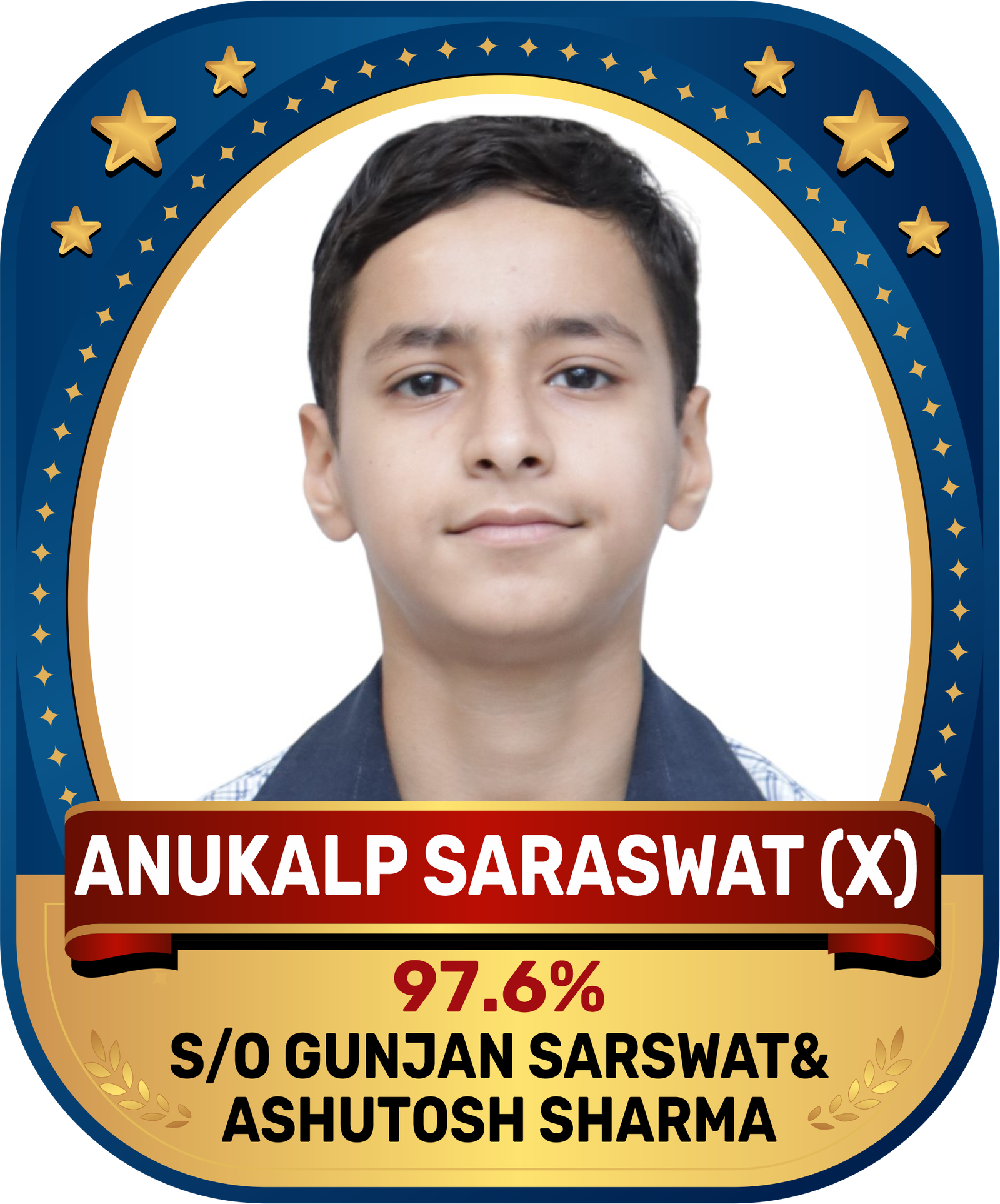
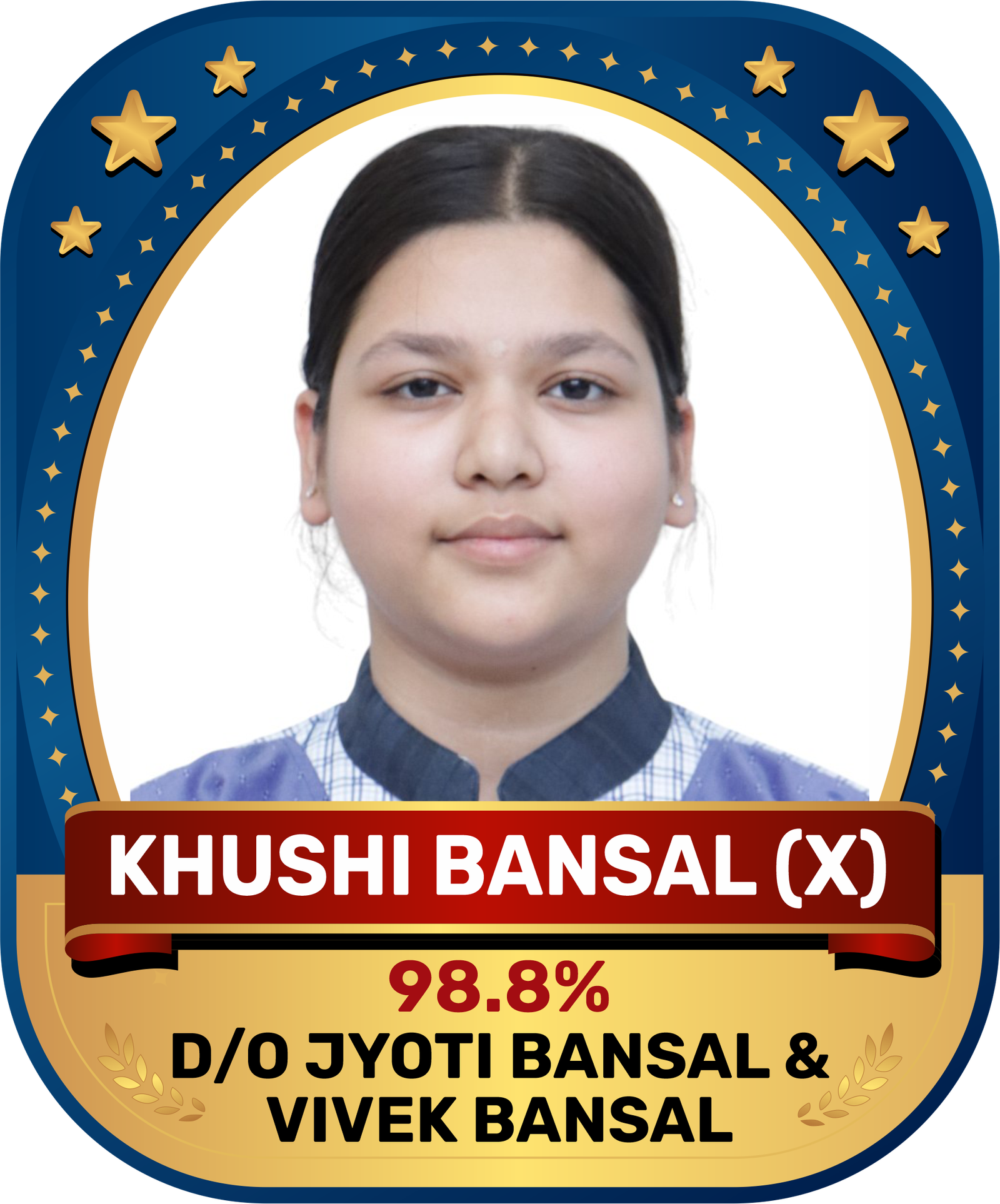
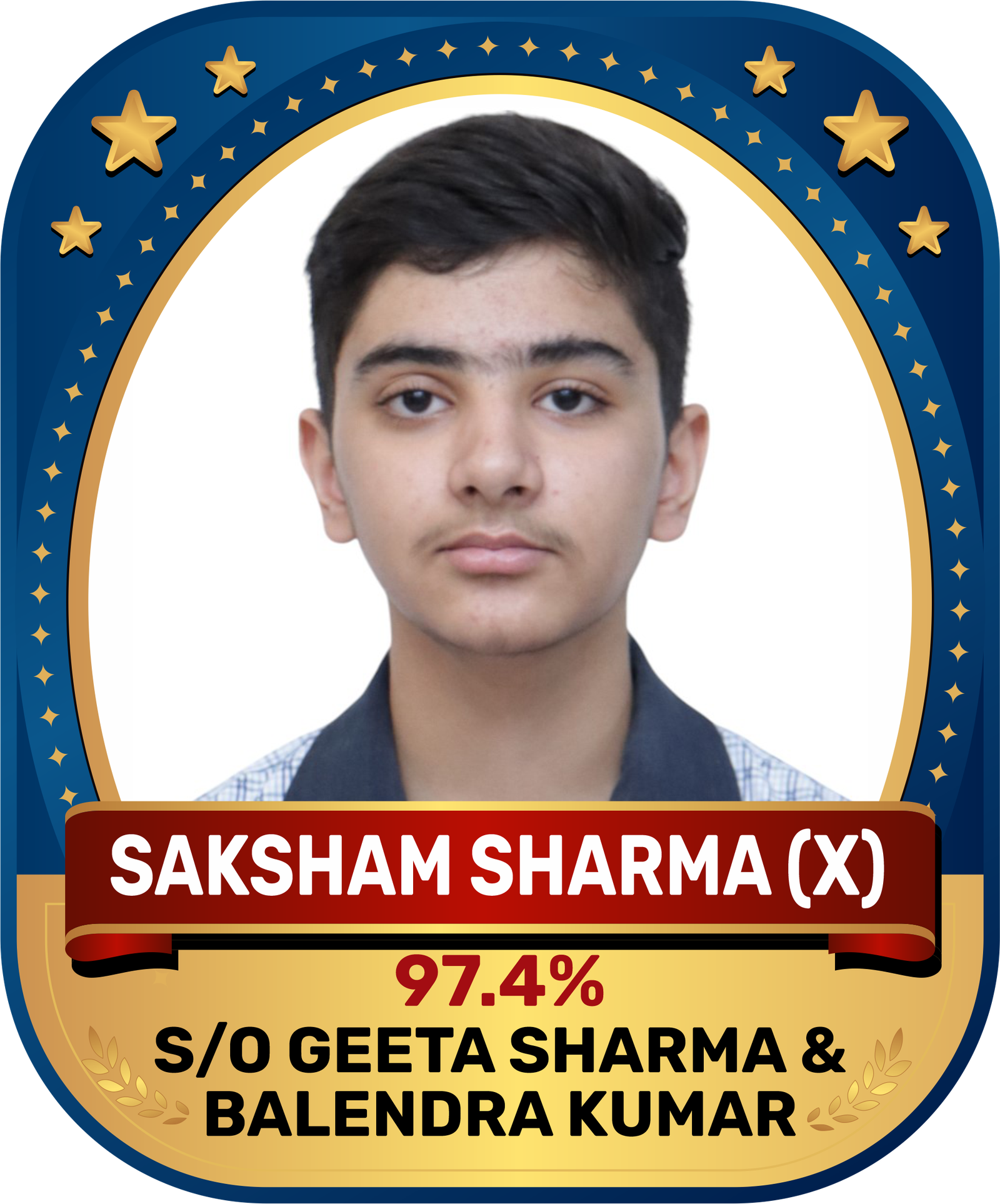
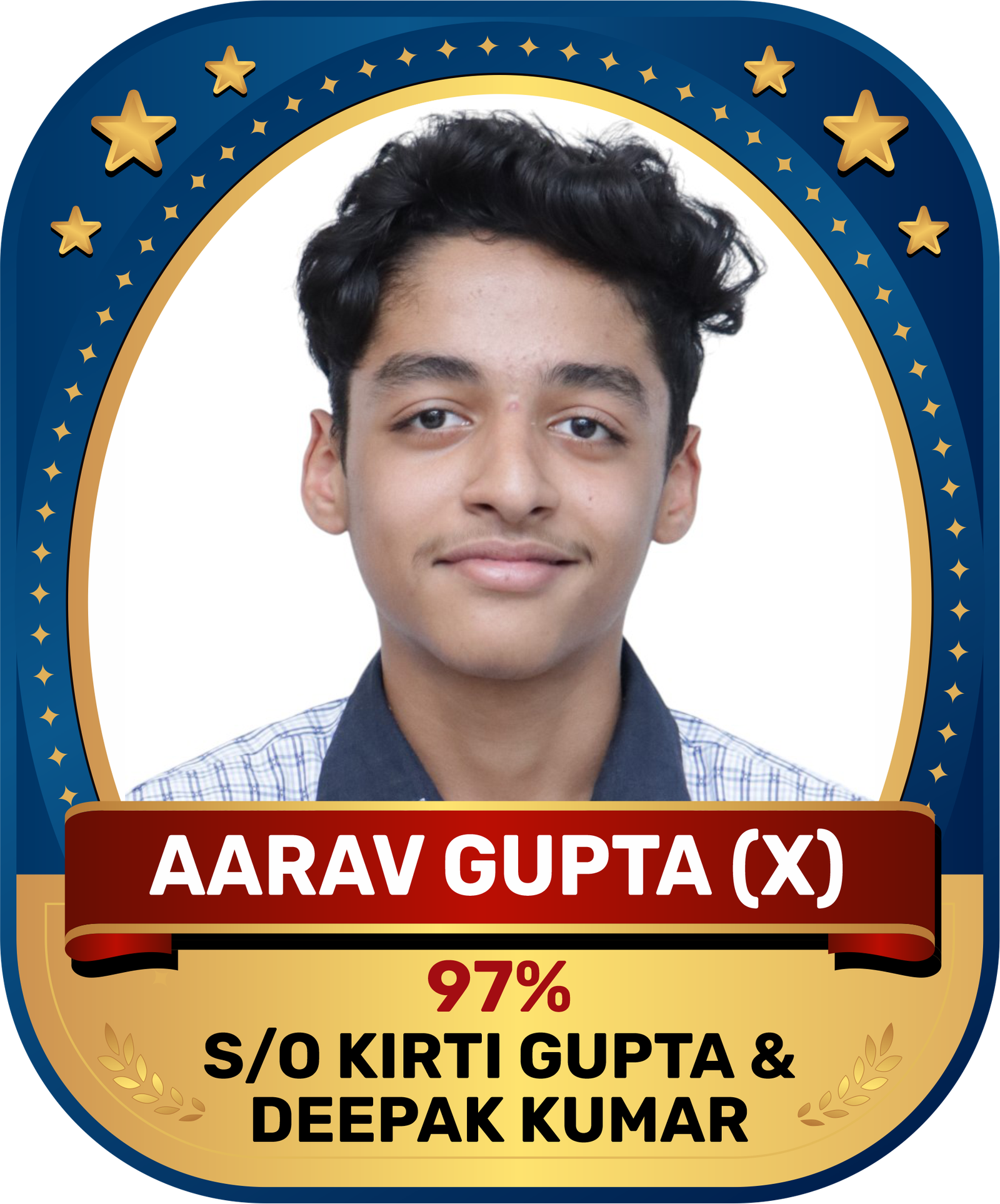
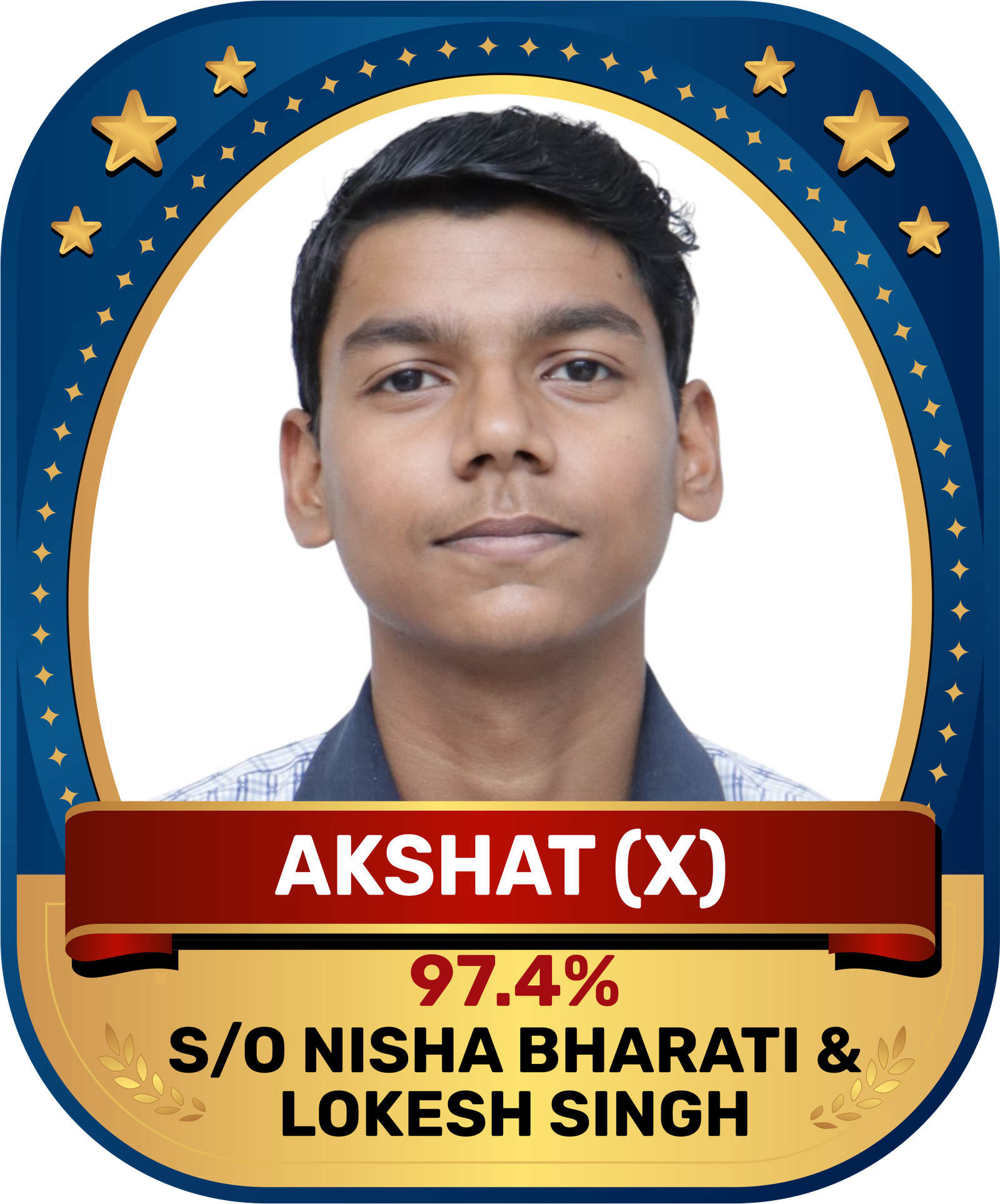
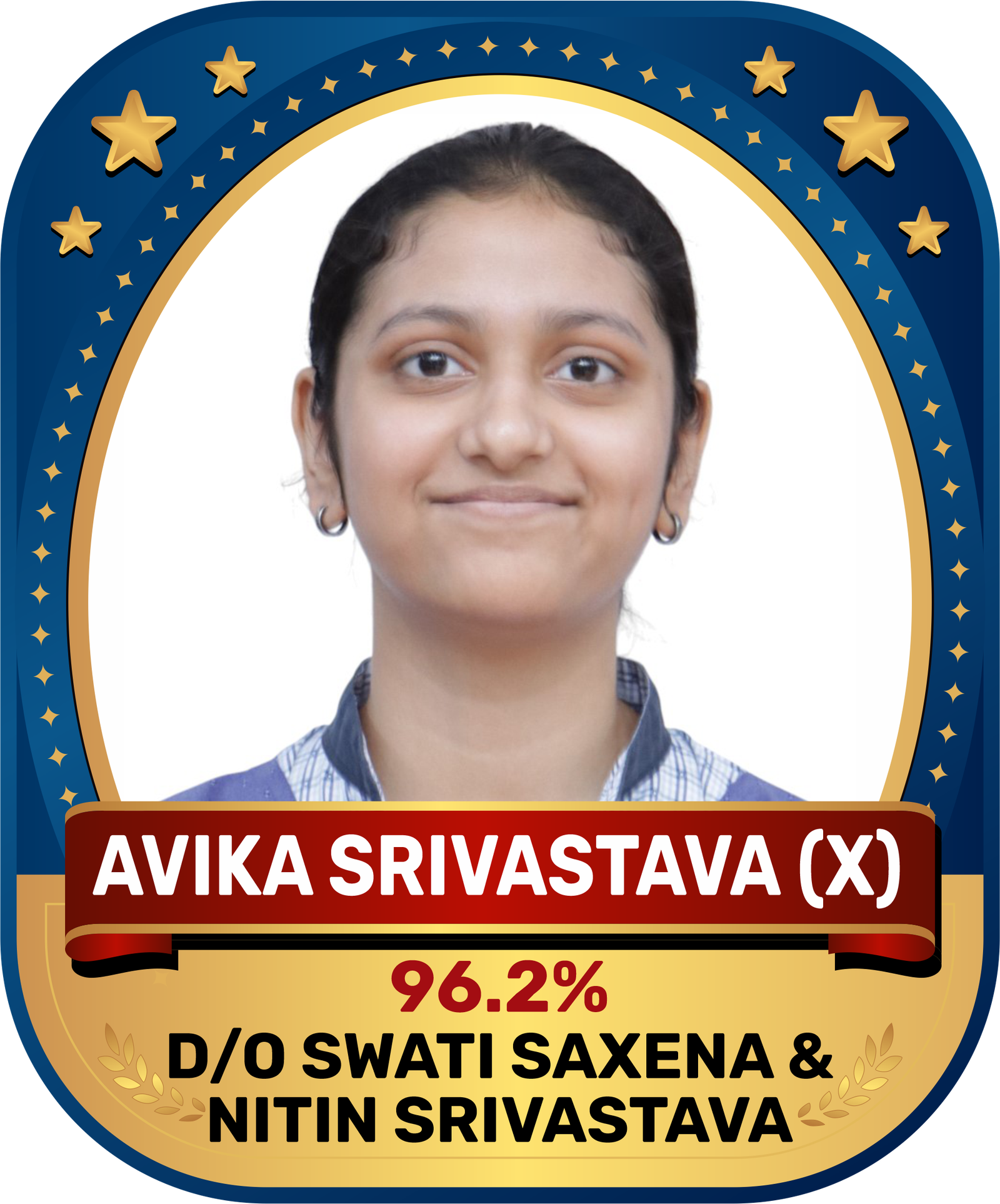
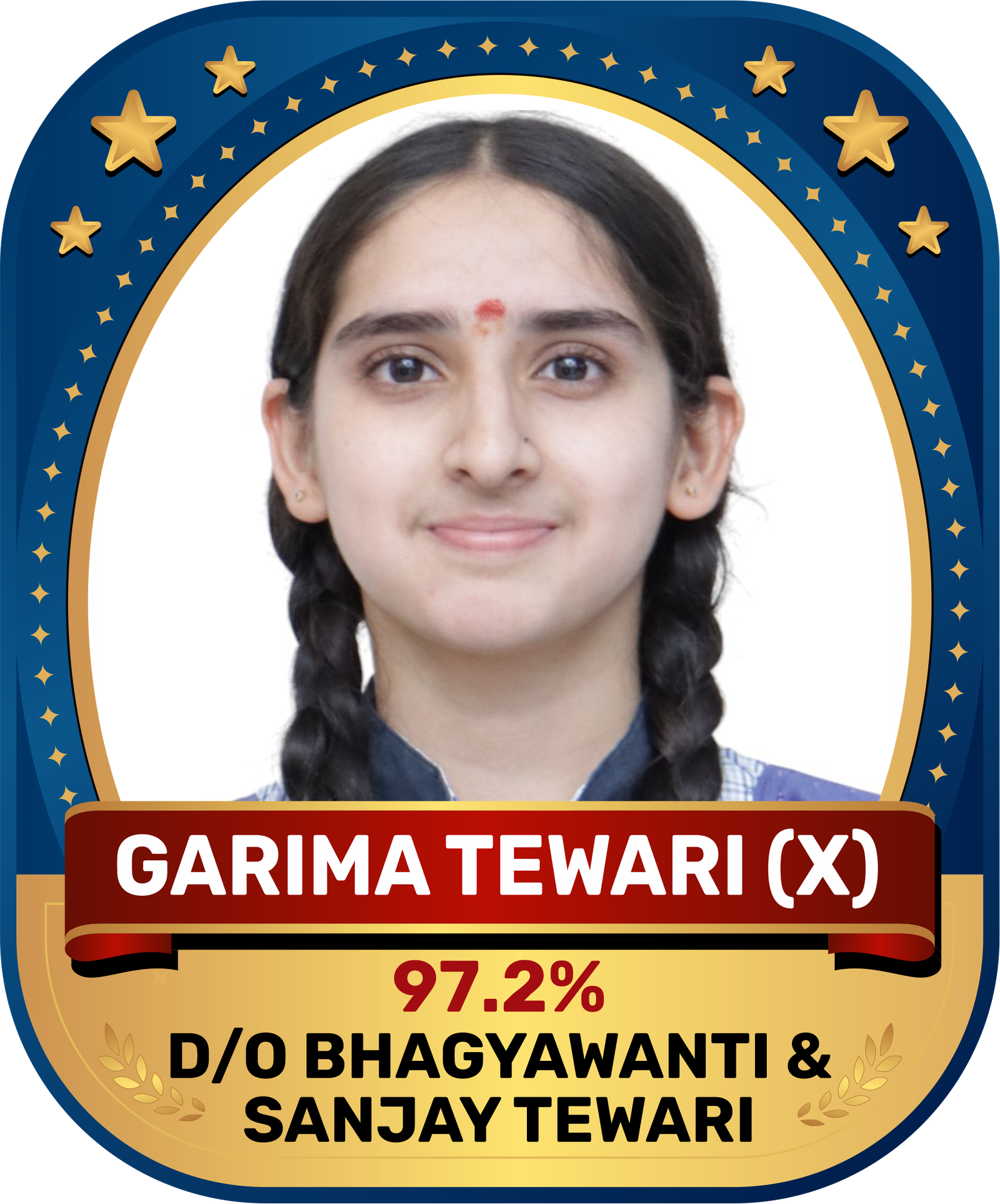
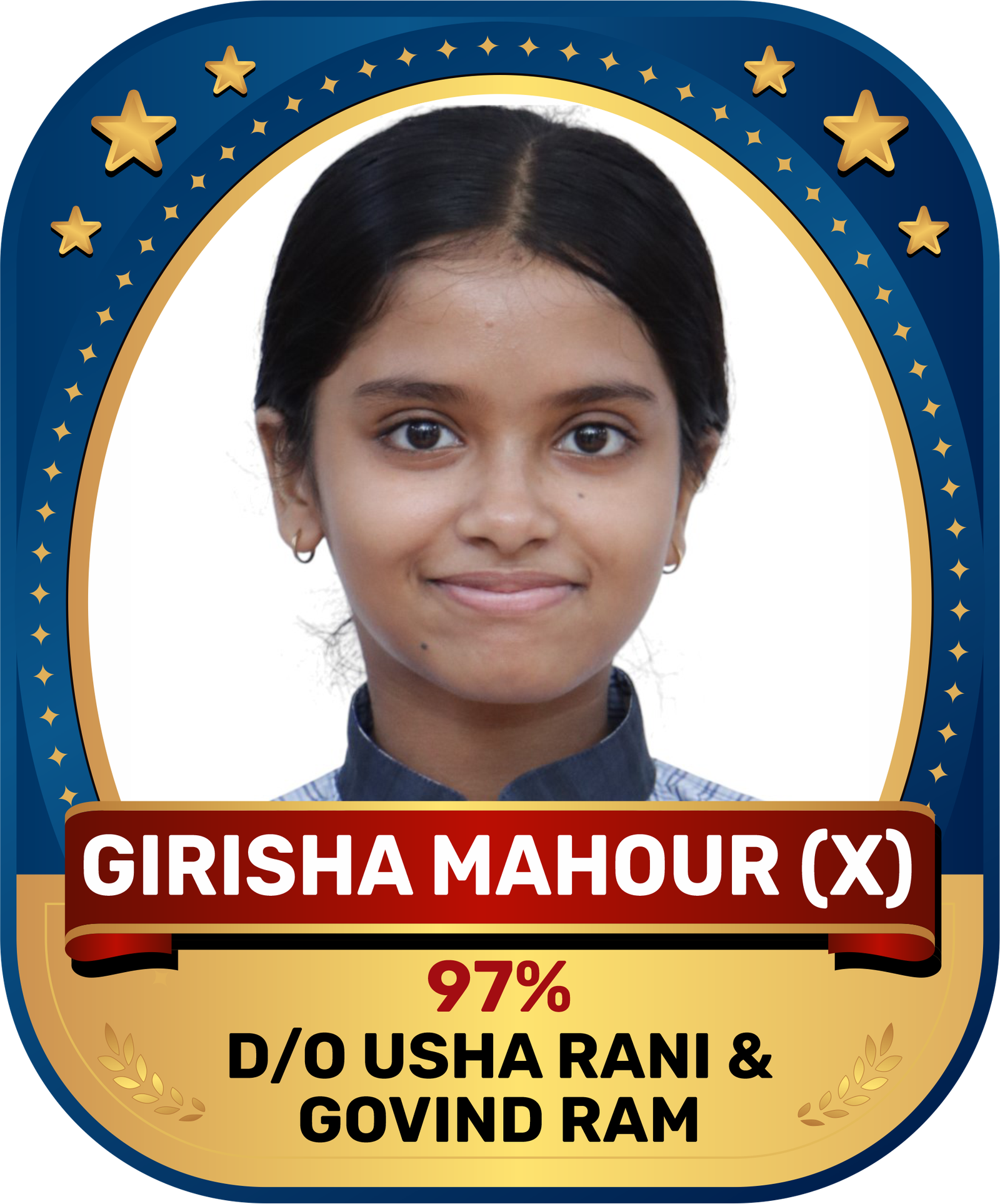
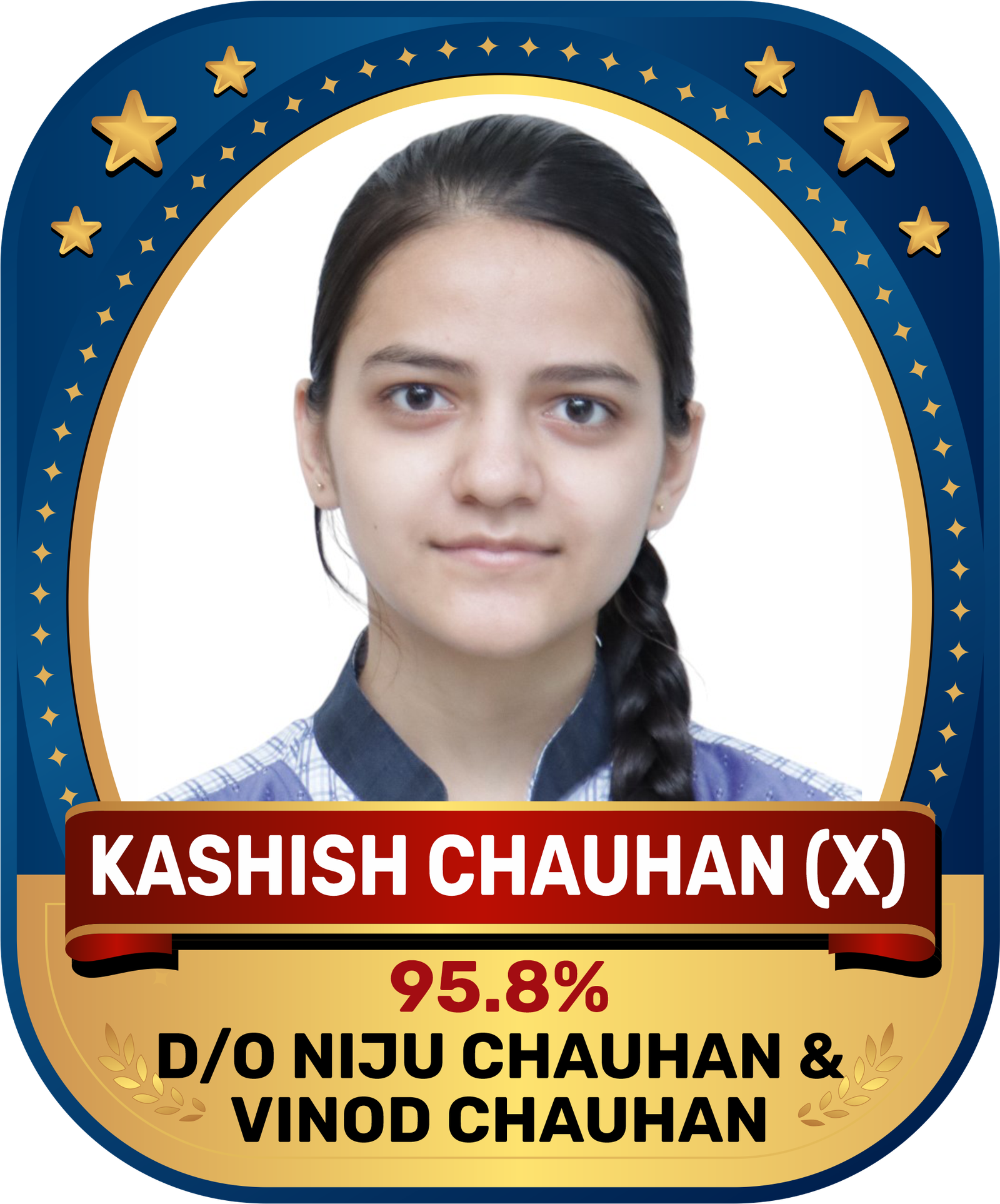
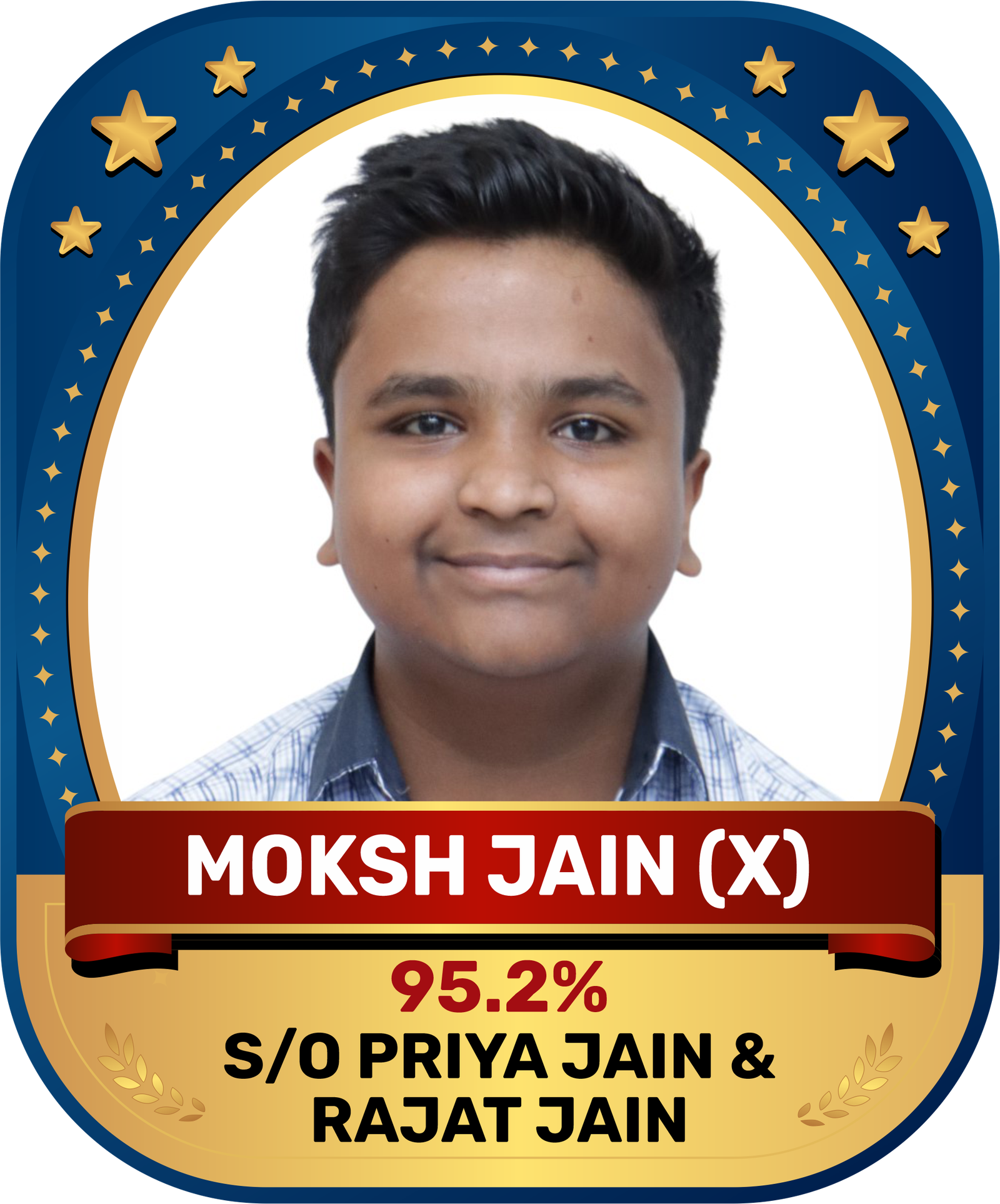
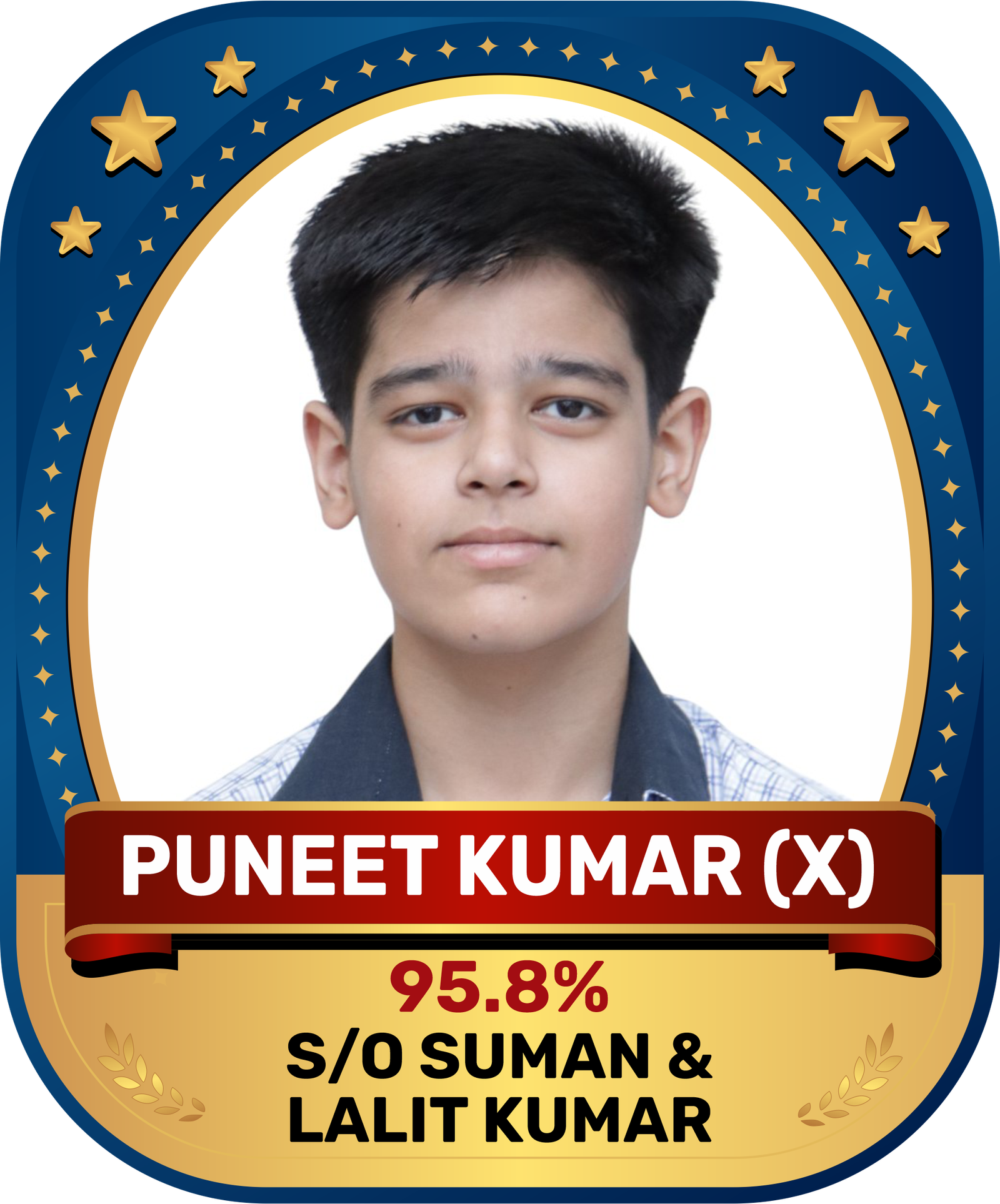
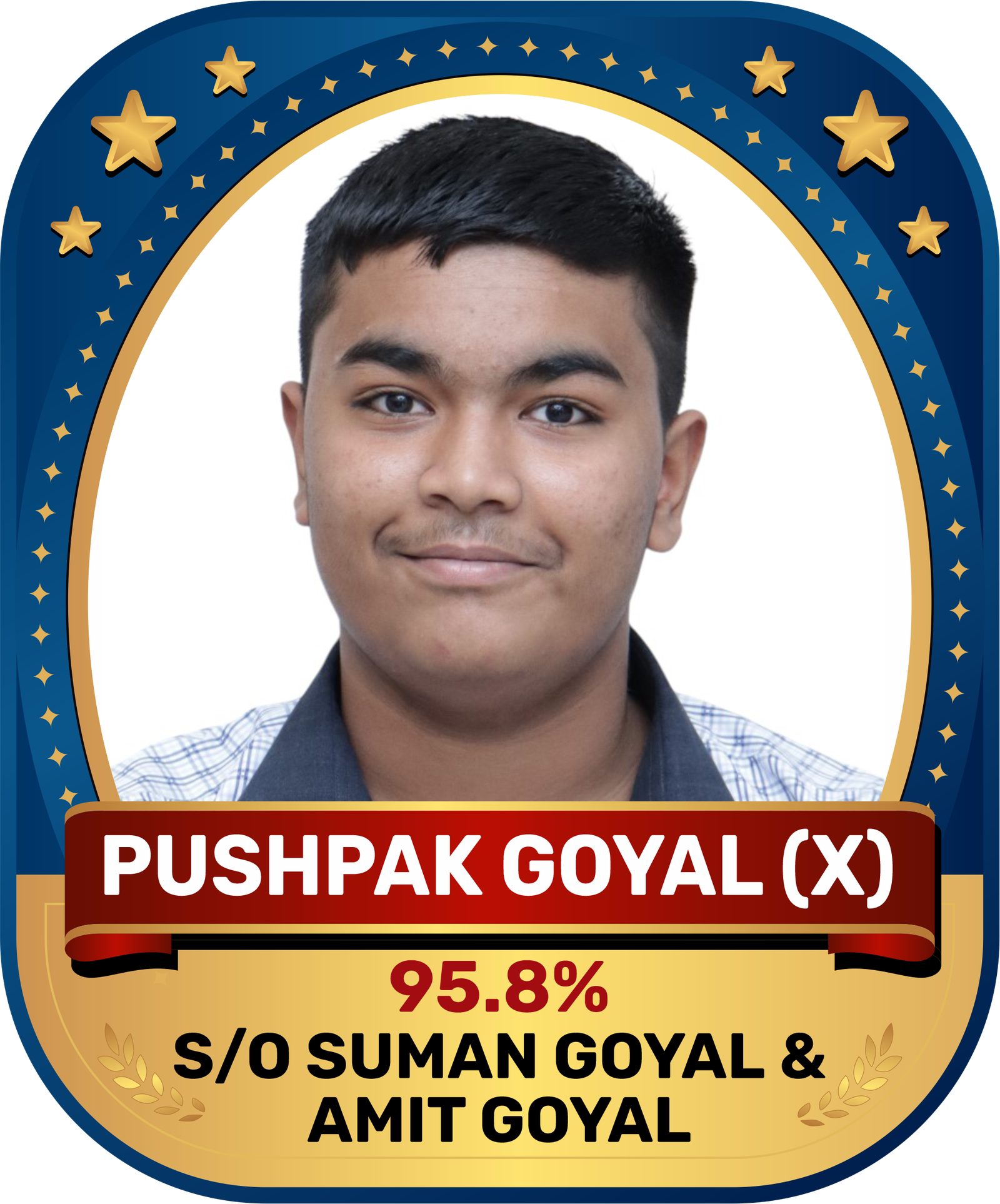
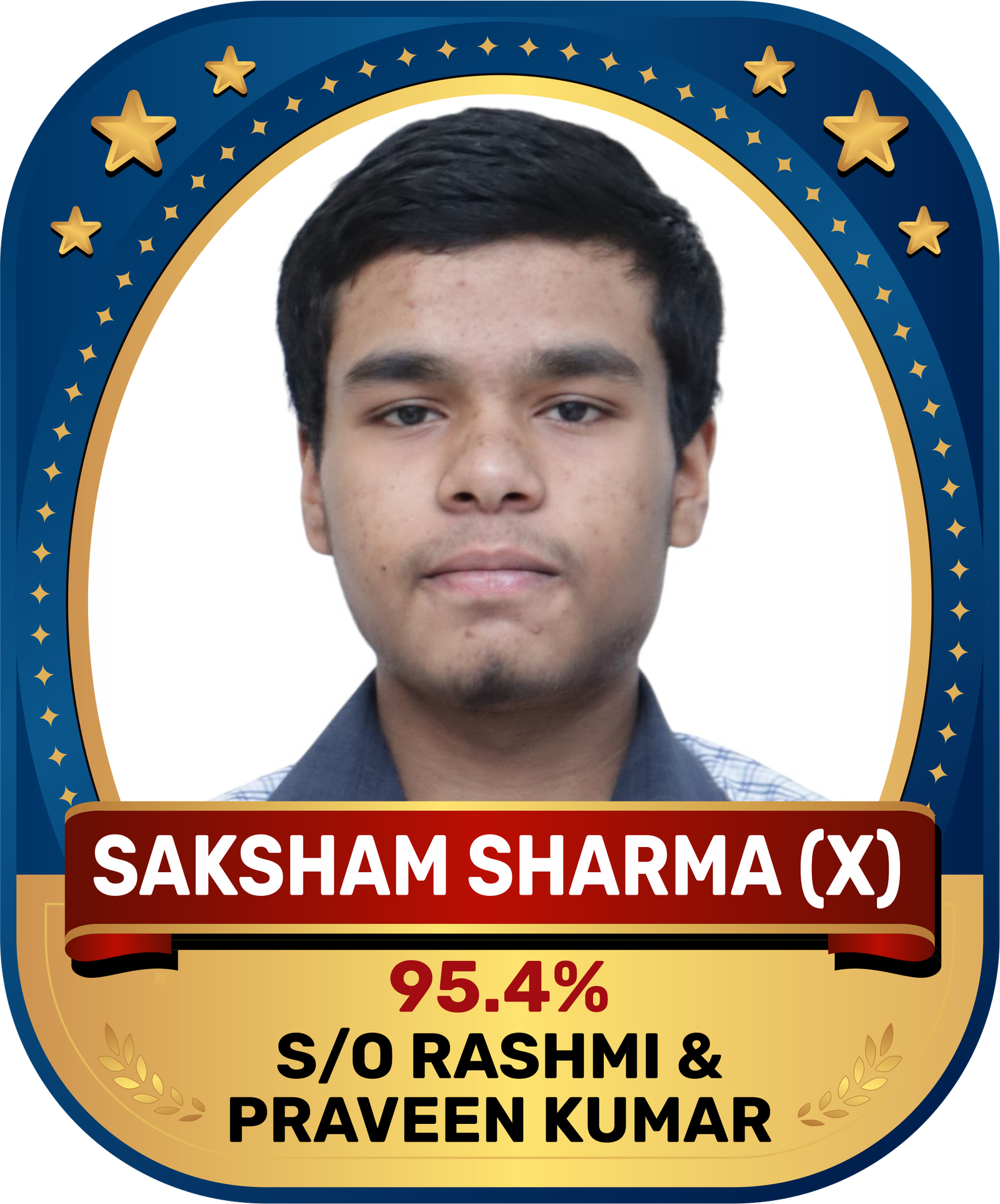
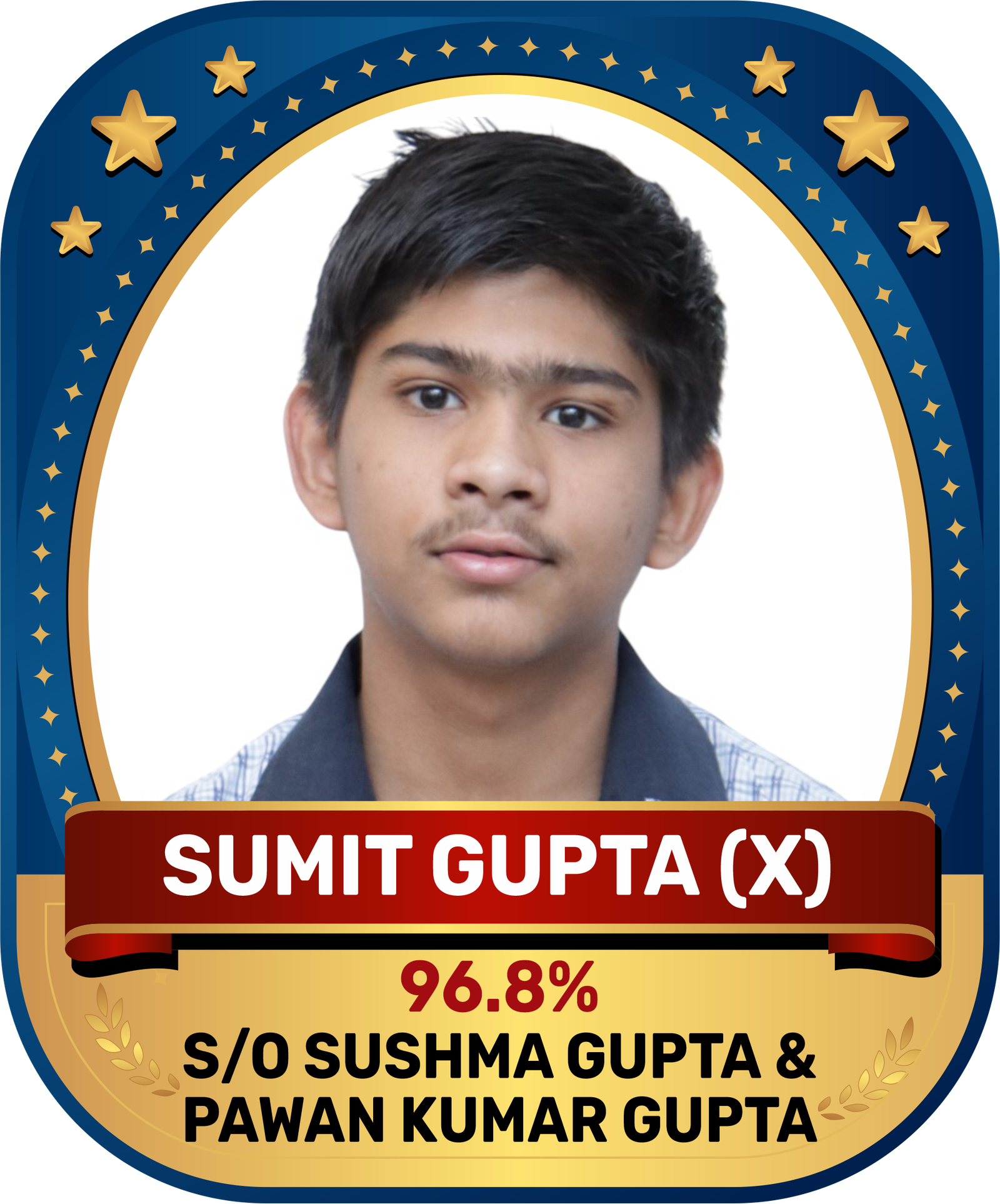

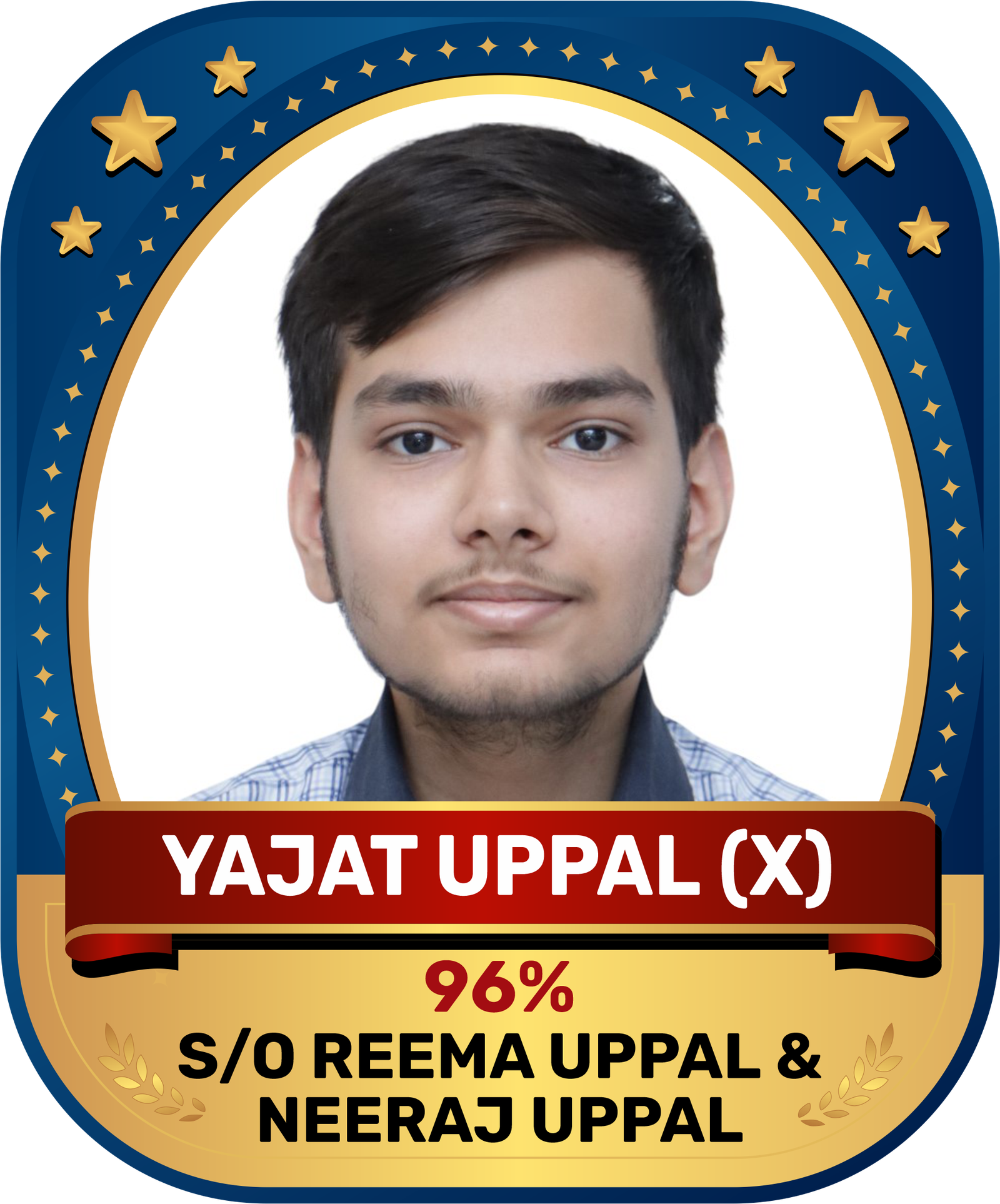
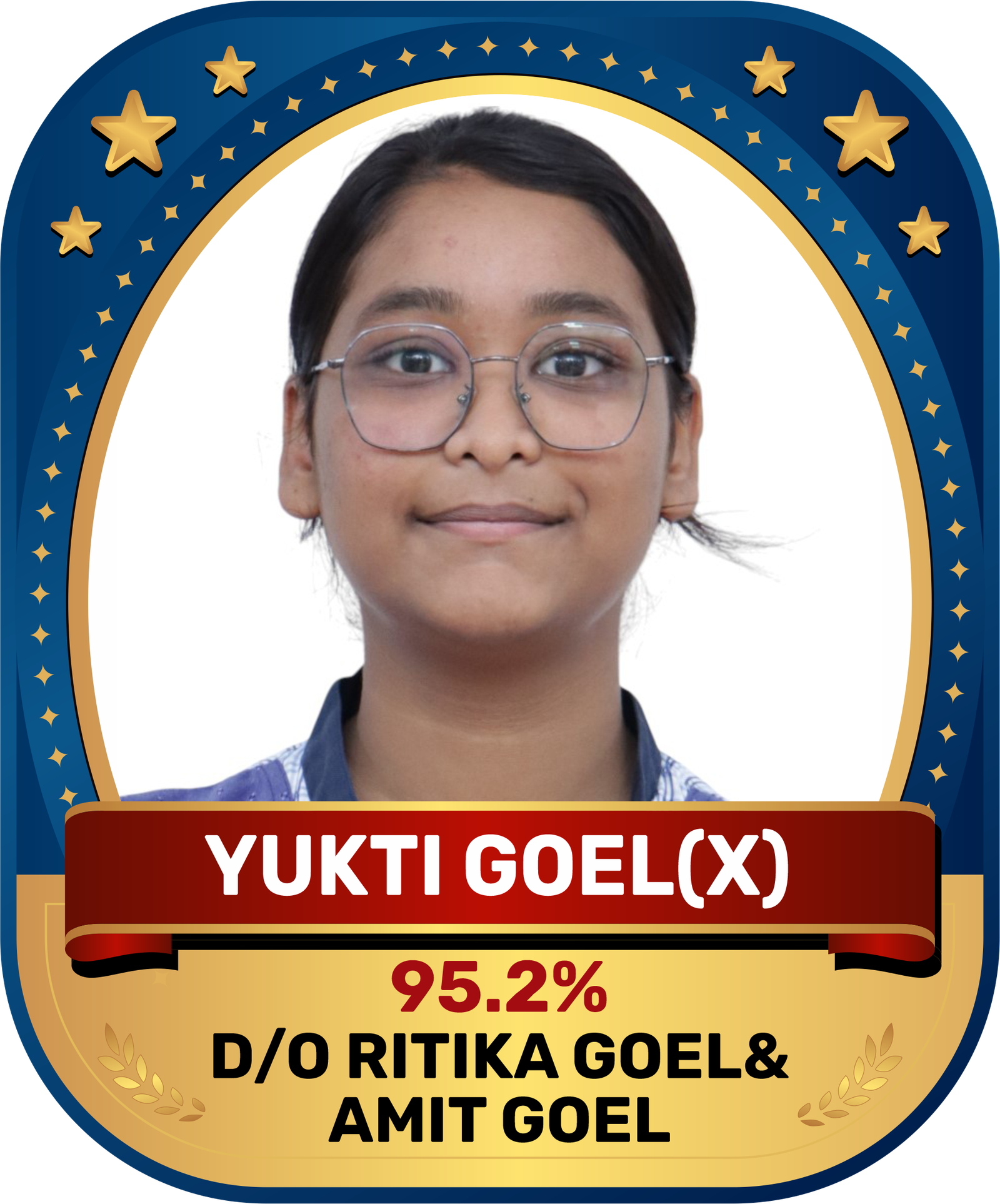
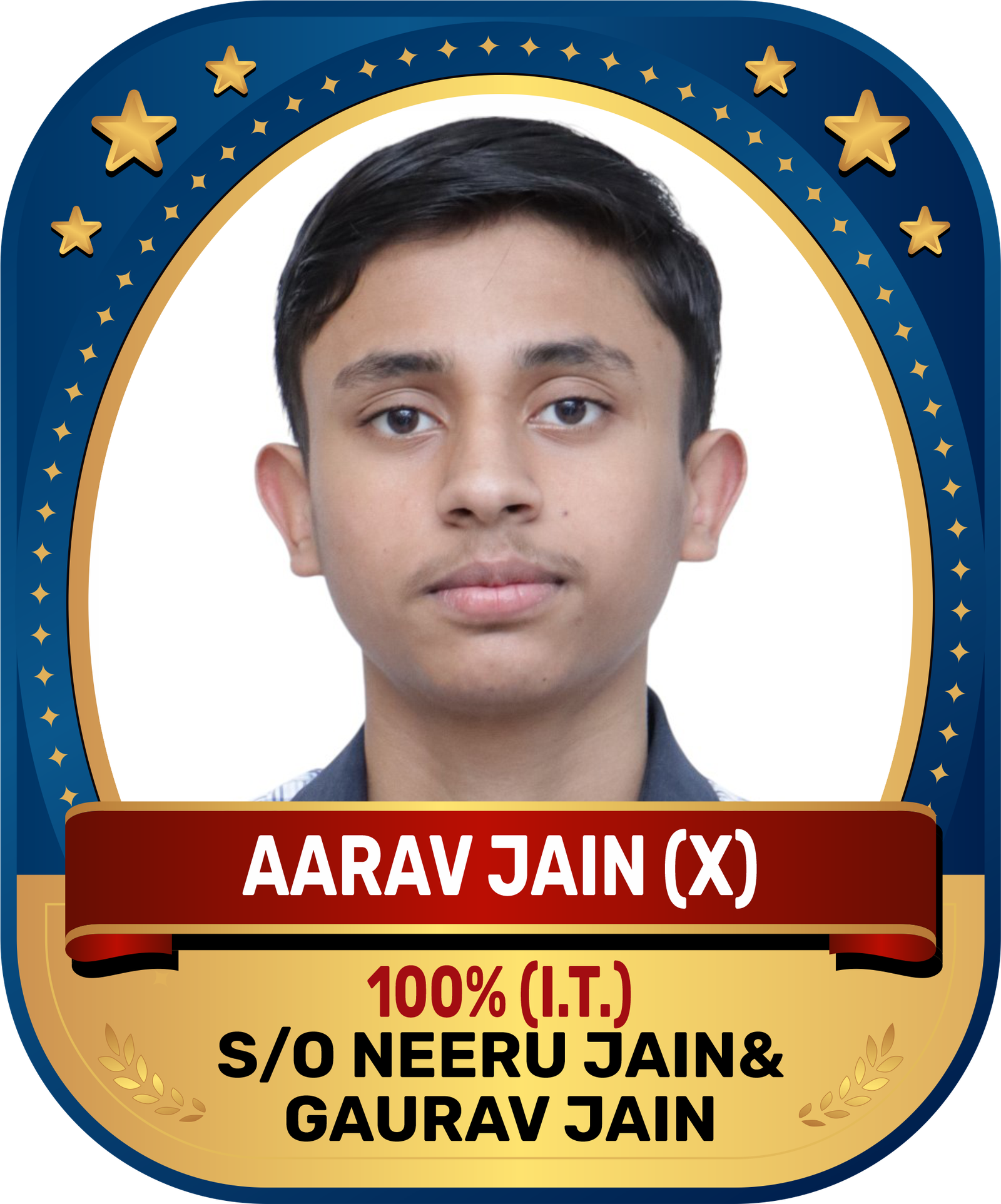
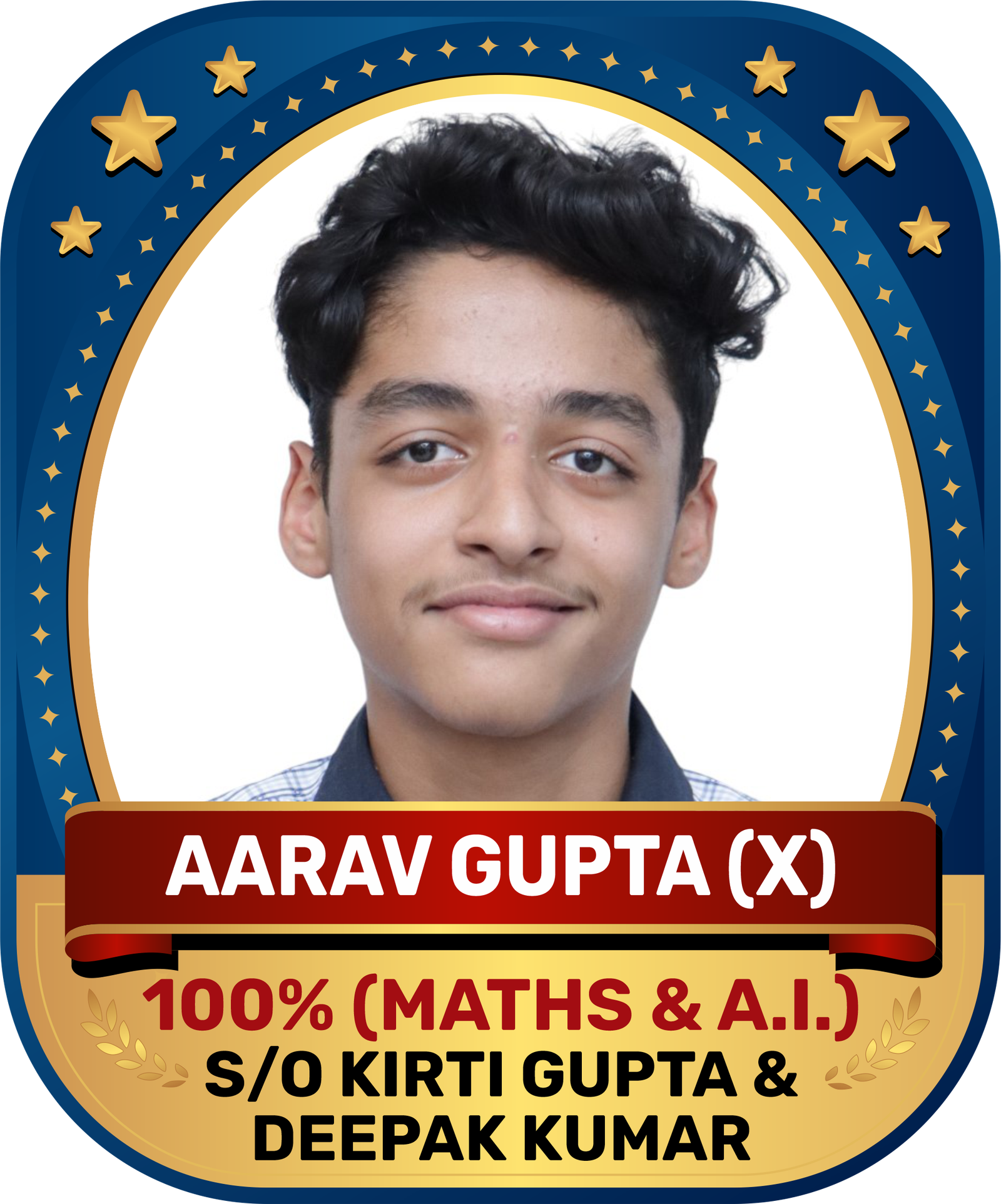
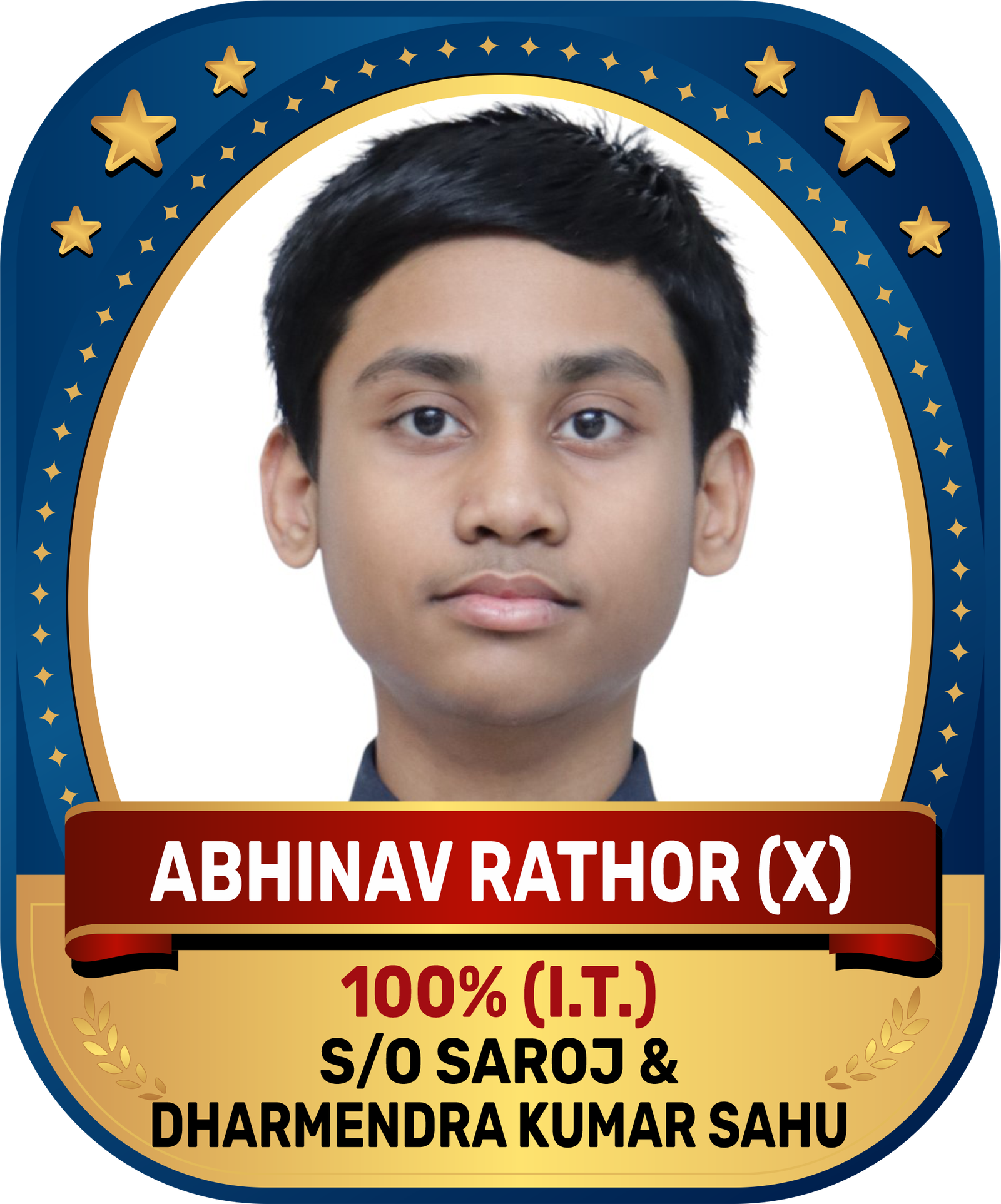
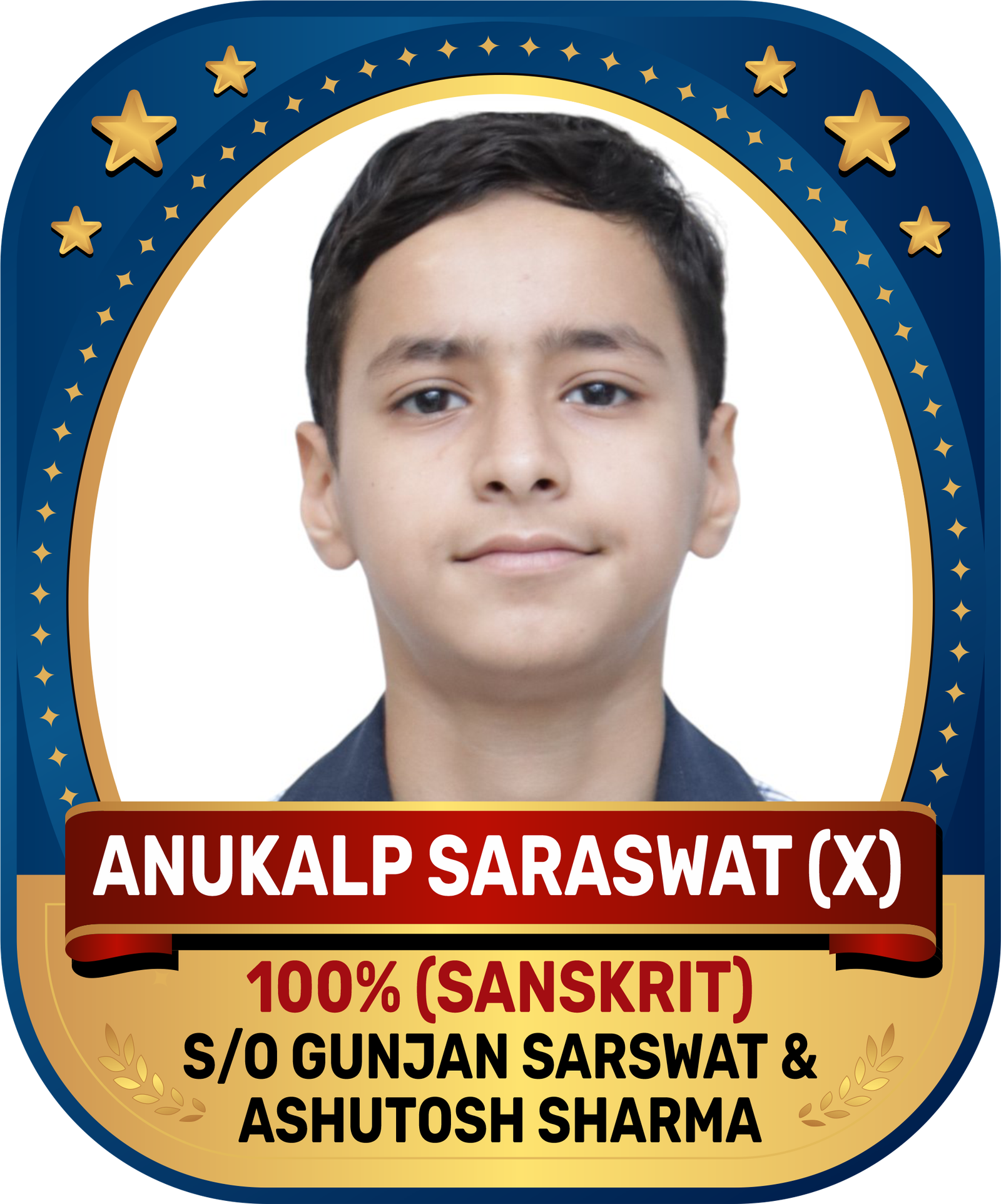
100% Marks in Subjects (2025-26)

The book’s popularity among aspirants stems from its exam-oriented approach .
The book is meticulously structured to cover the evolution of the Pakistani state from its ideological roots to its current geopolitical standing.
Professor Muhammad Ikram Rabbani’s (published by Caravan Book House) is widely considered a foundational text for aspirants of competitive examinations in Pakistan, including CSS, PMS, and PCS. This comprehensive work provides a detailed analysis of the country’s historical trajectory, political evolution, and contemporary challenges, making it an essential resource for academic and professional success. About the Author: Prof. Ikram Rabbani
Complex political and social concepts are explained in a clear, structured format suitable for both students and general readers interested in Pakistan’s political evolution. Availability and Digital Access Pakistan Affairs by Ikram Rabbani | PDF - Scribd
Modern editions are updated to include topics relevant to the current FPSC CSS syllabus , such as: Nuclear program safety and security. Regional economic cooperation through SAARC, ECO, and SCO. Hydro-politics and water issues. Energy crises and their socio-economic impacts.
Rabbani frequently updates the content to match the evolving requirements of the Federal Public Service Commission (FPSC).
Professor Muhammad Ikram Rabbani was a distinguished academic and authority on International Relations, Political Science, and Pakistan Affairs. He served at prestigious institutions like Government College University (GCU), Lahore, and held administrative roles such as Secretary of the Board of Intermediate and Secondary Education, Lahore. Beyond academia, he was also a prolific writer and a former international cricket umpire.
The work details major political eras, including the regimes of Yahya Khan, Z.A. Bhutto, and Zia-ul-Haq. It provides insights into constitutional developments, such as the 1973 Constitution, and the transition of power between democratic governments and martial law periods.
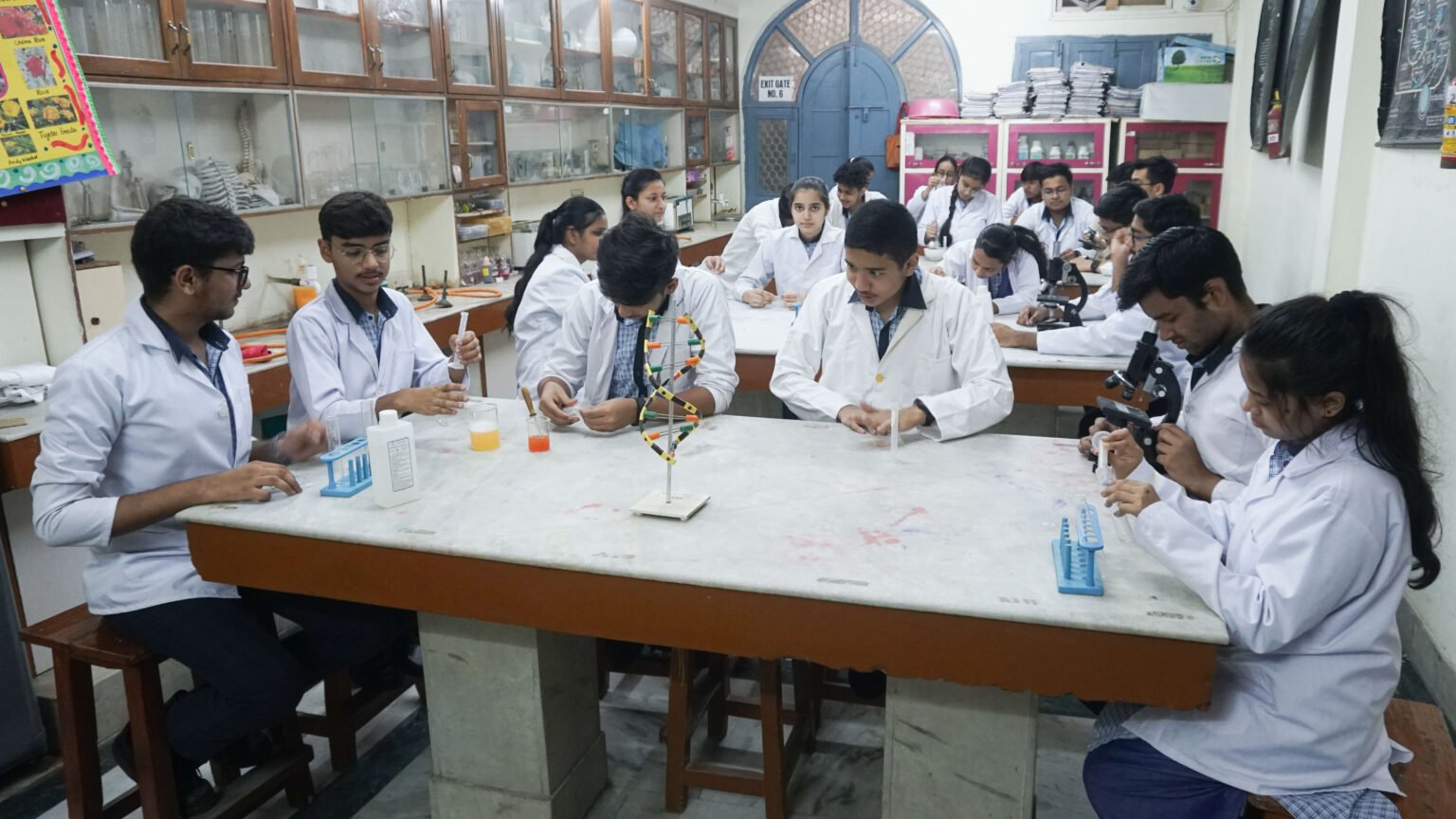
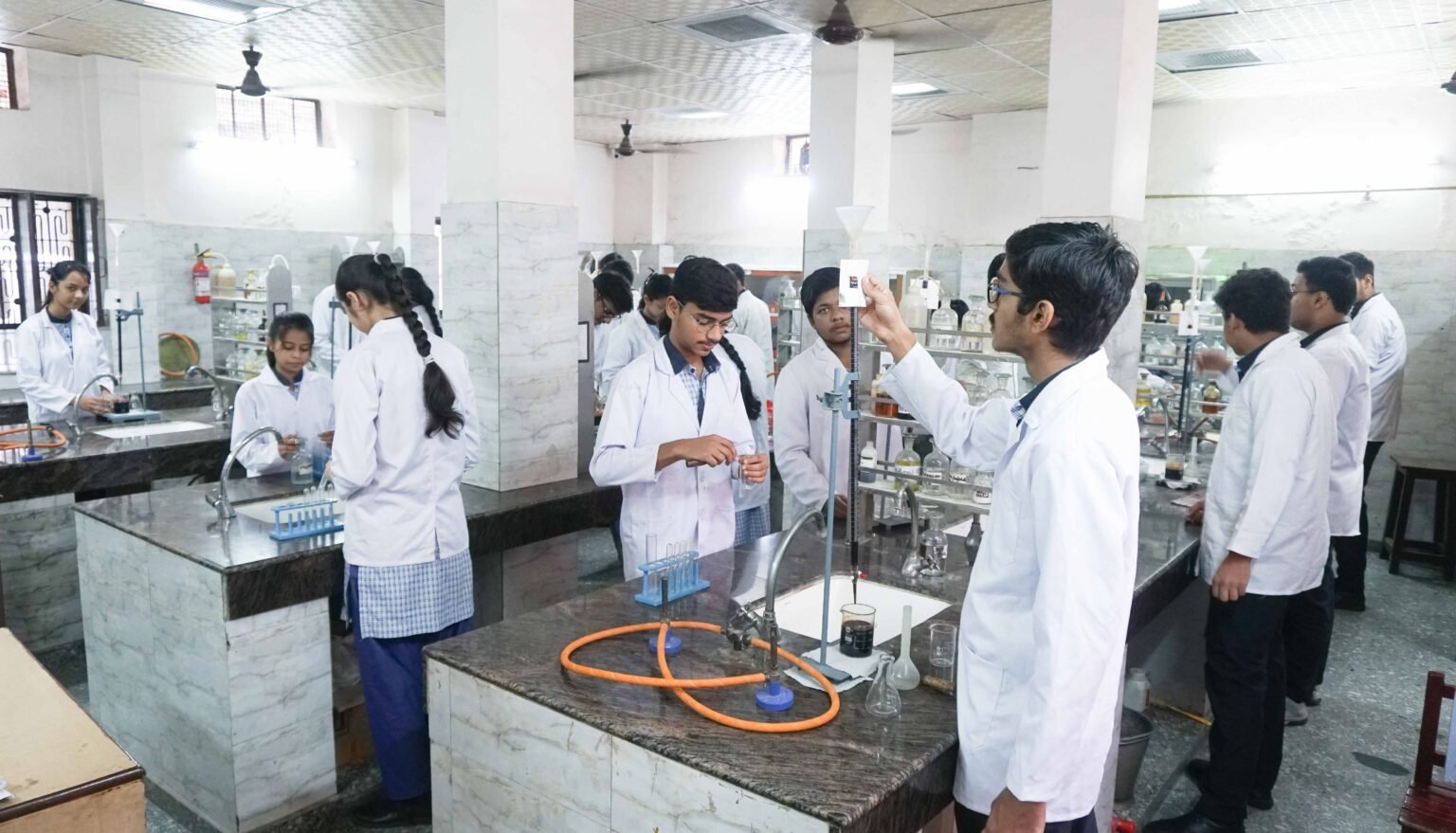
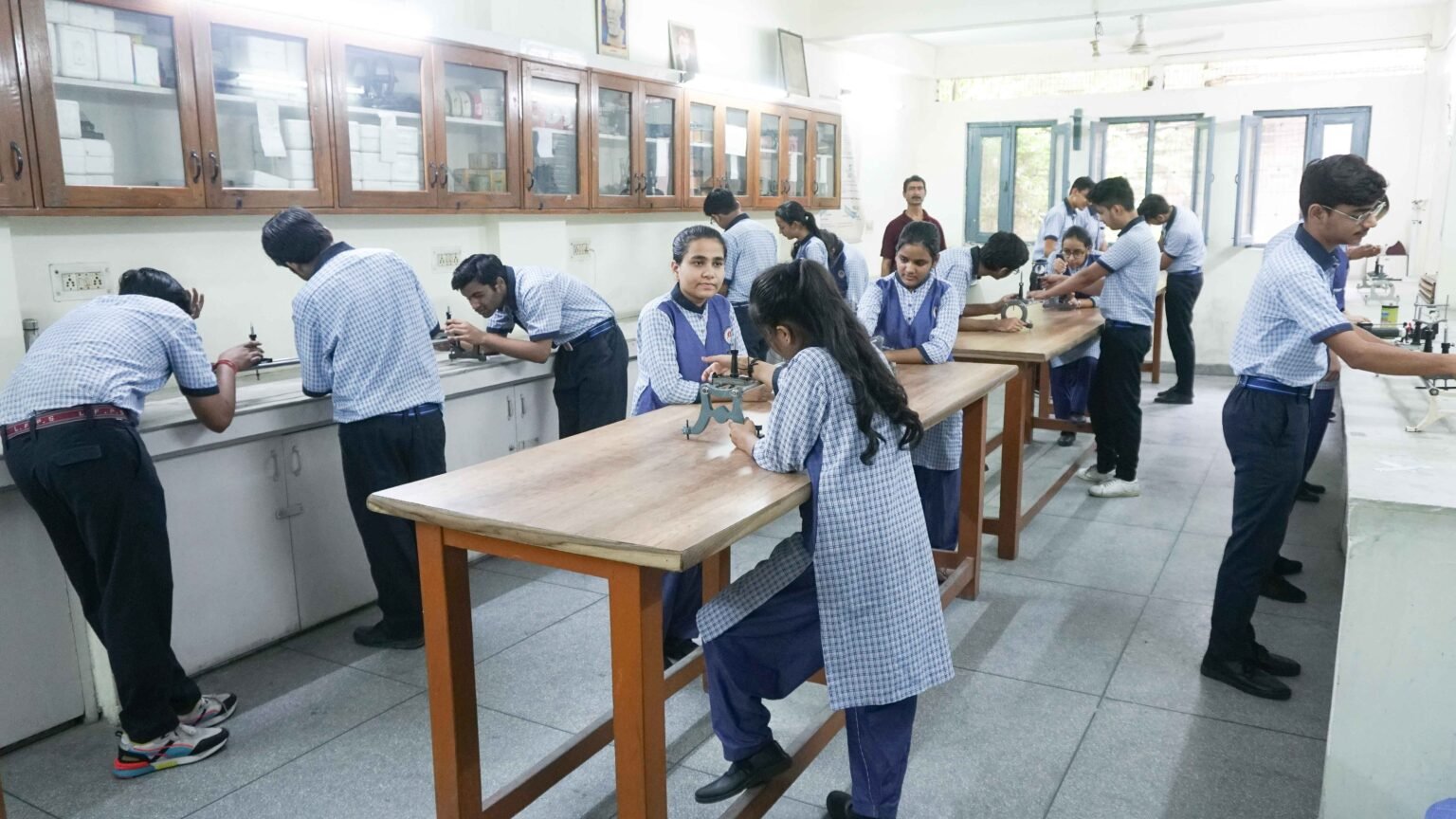
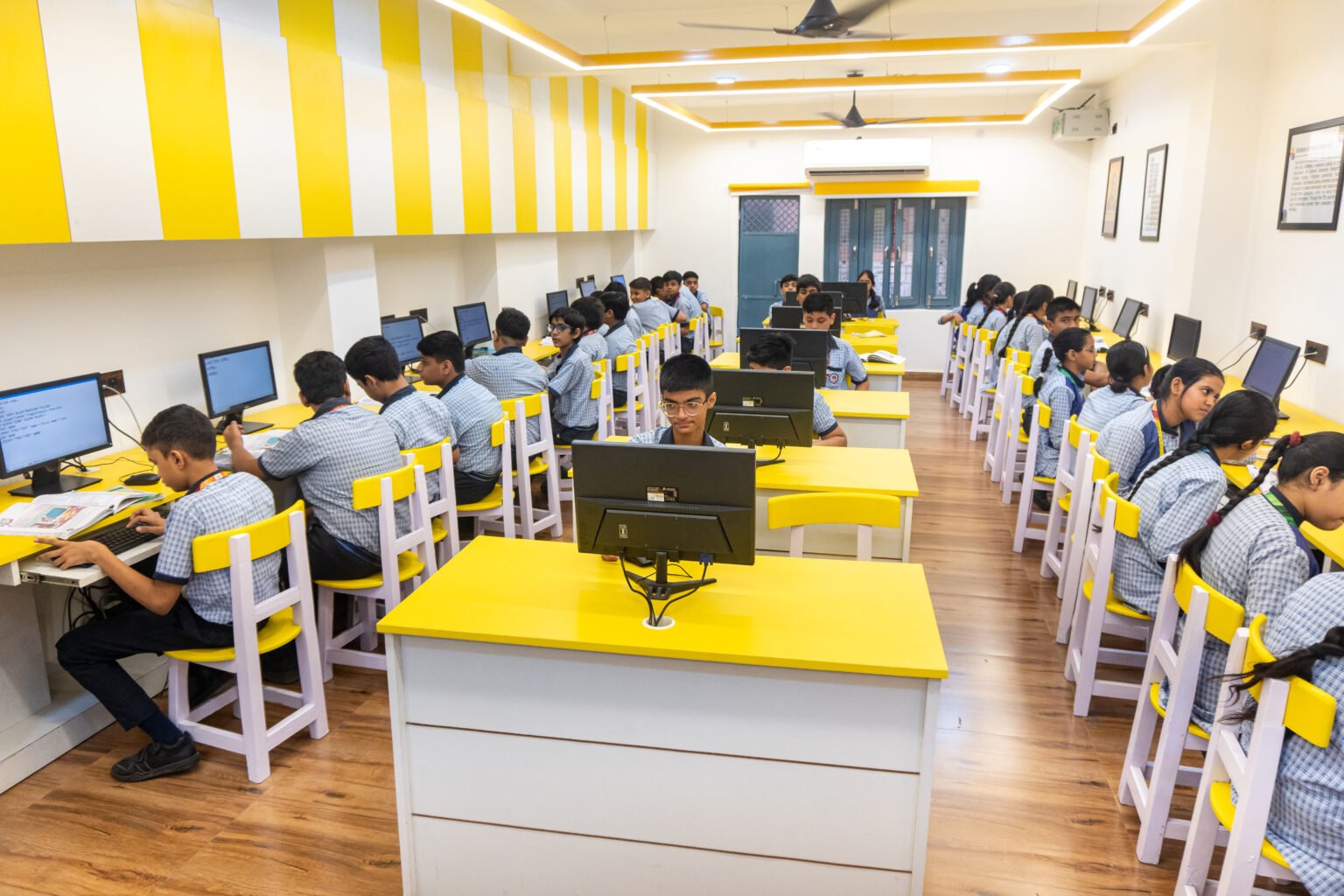
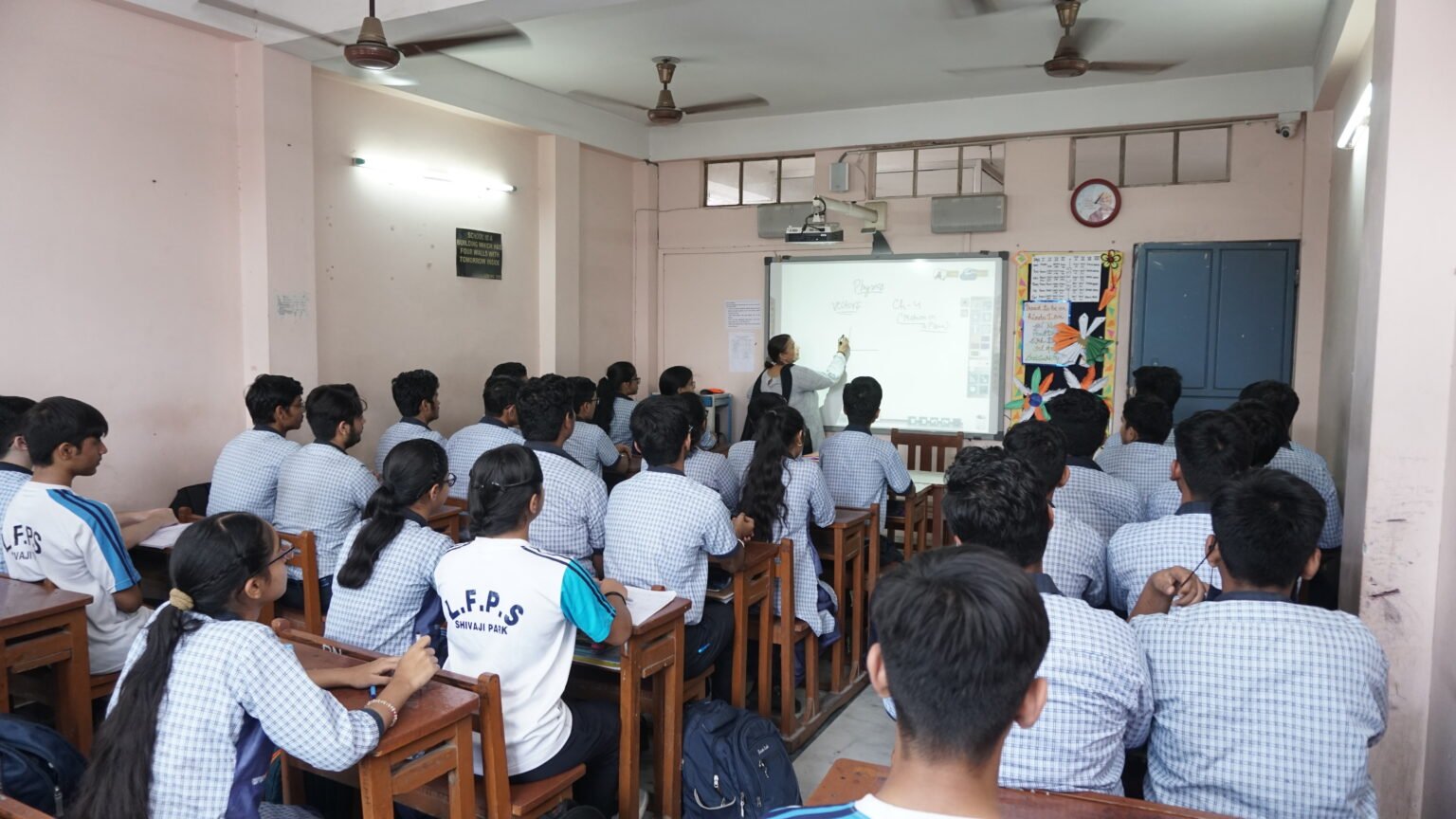
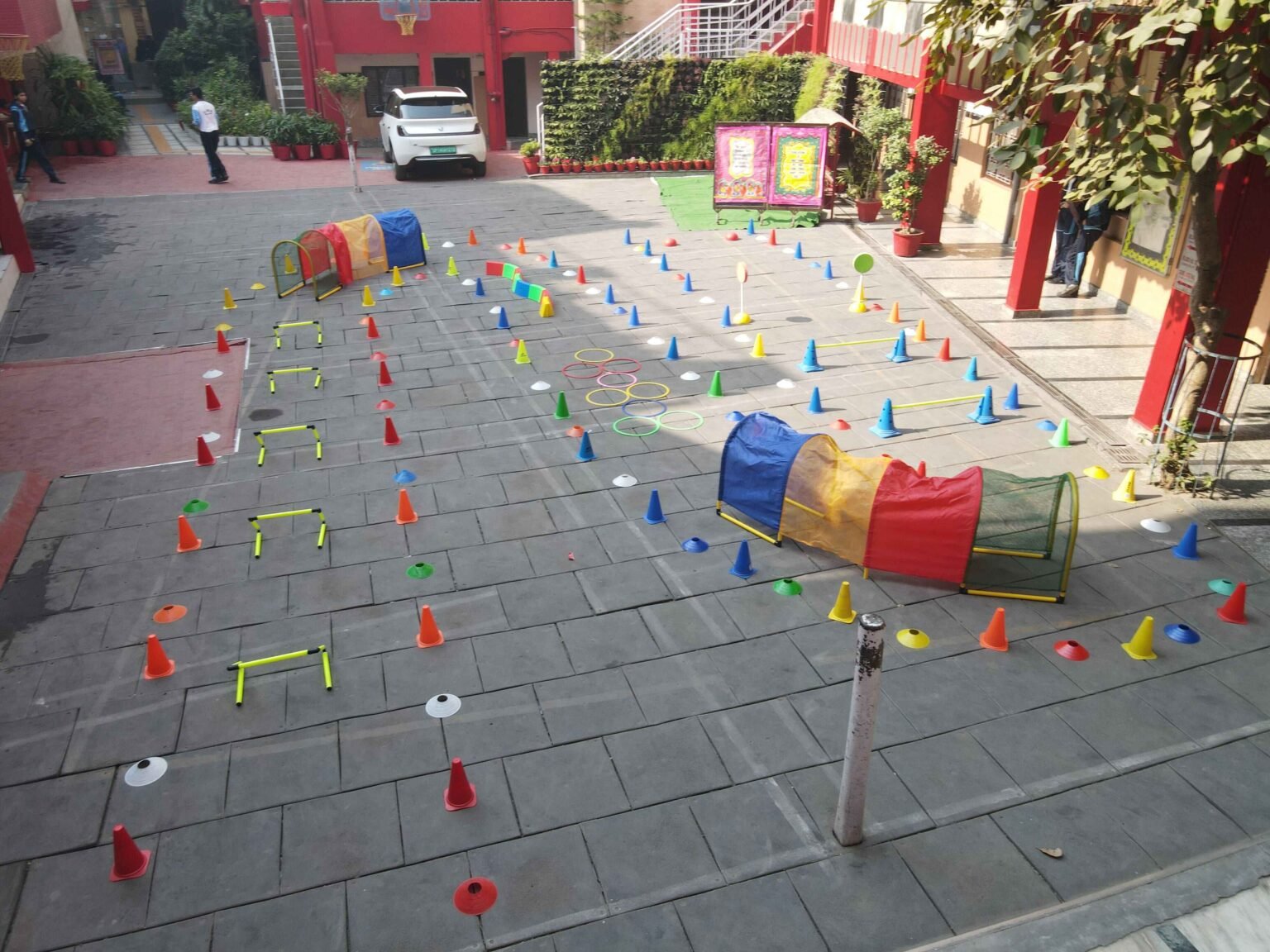
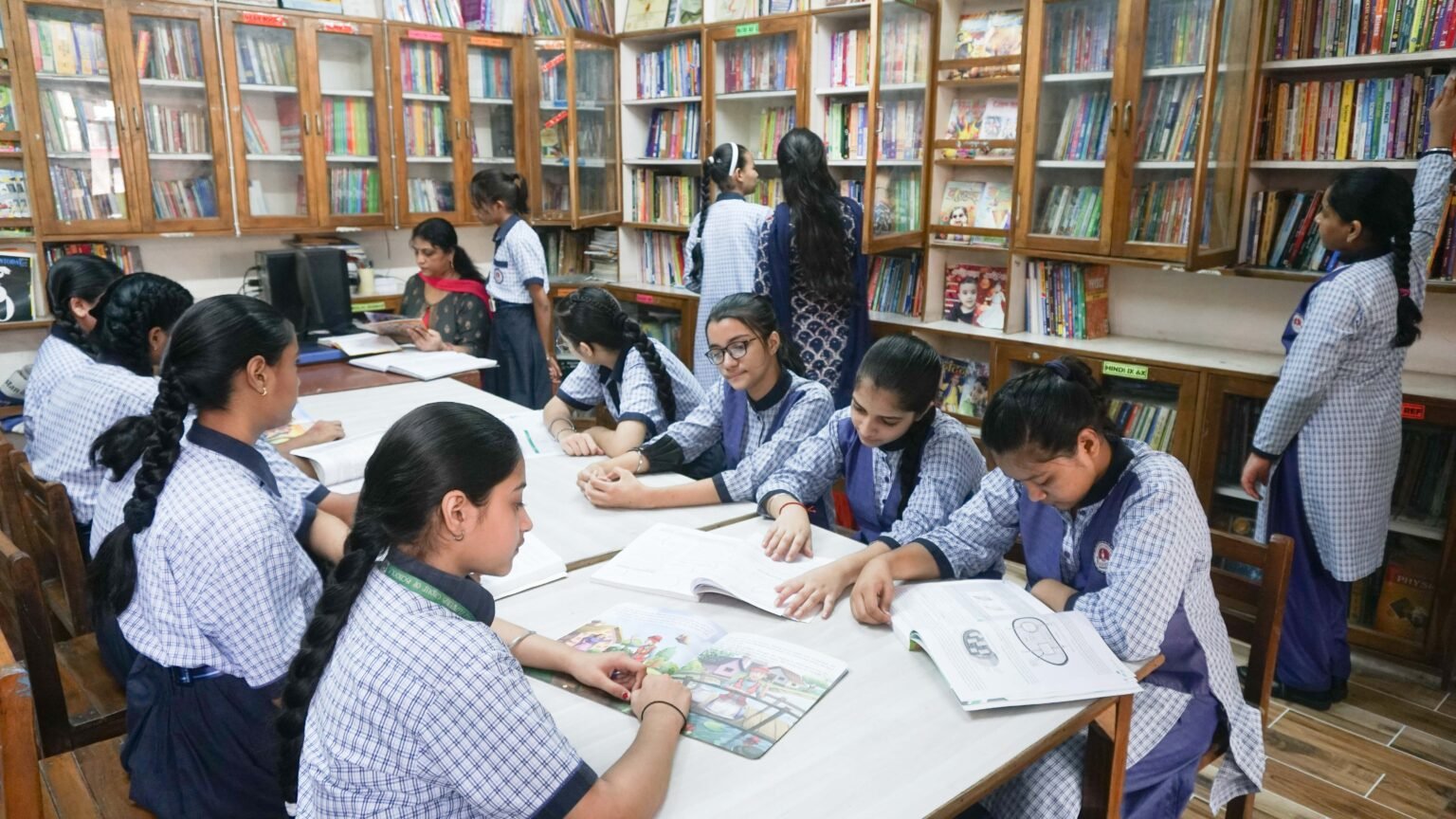
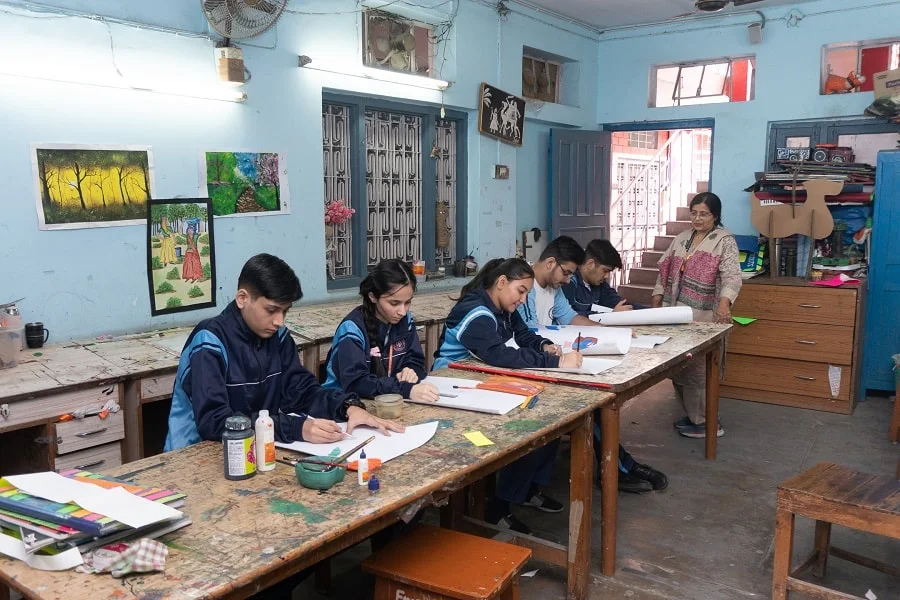
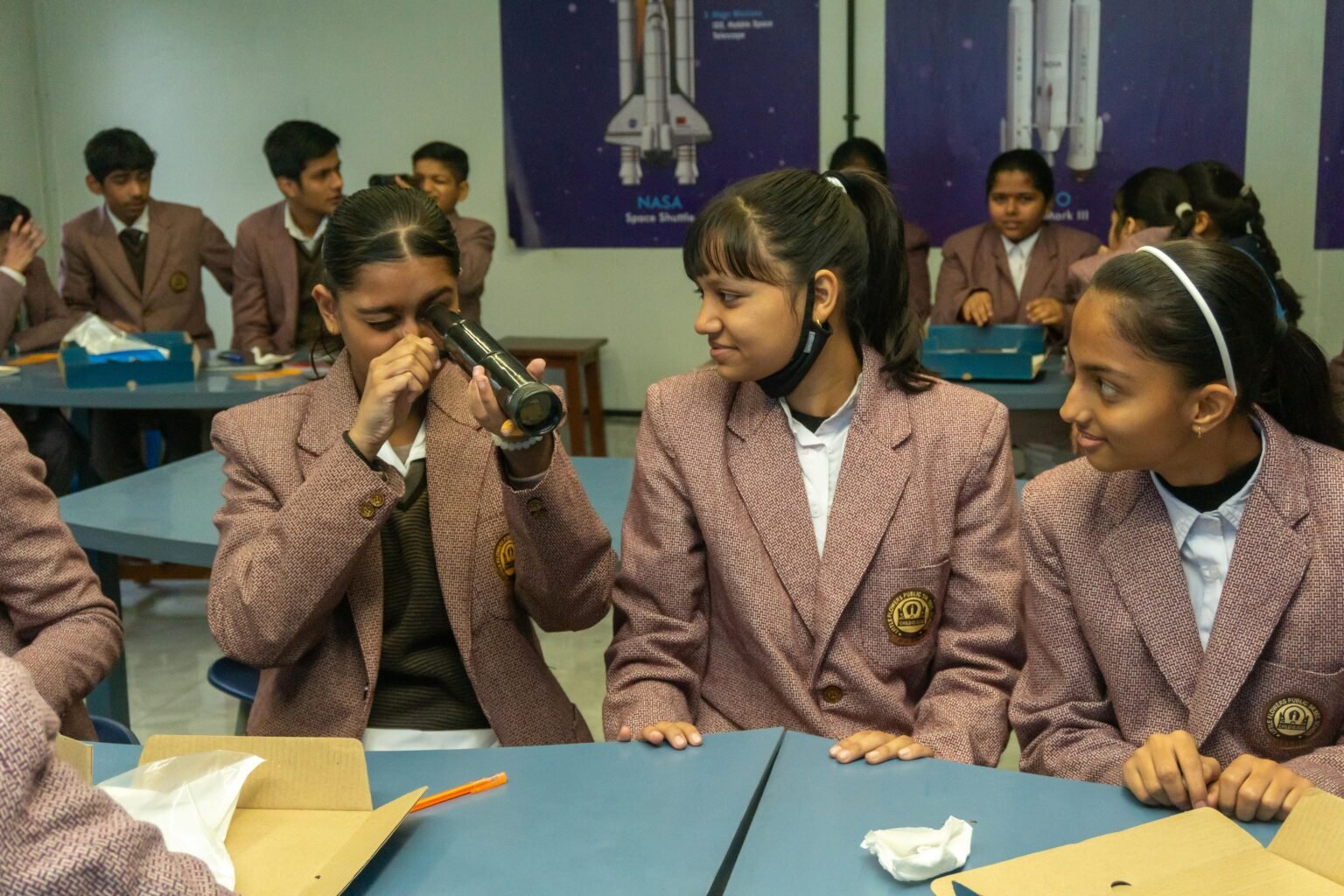
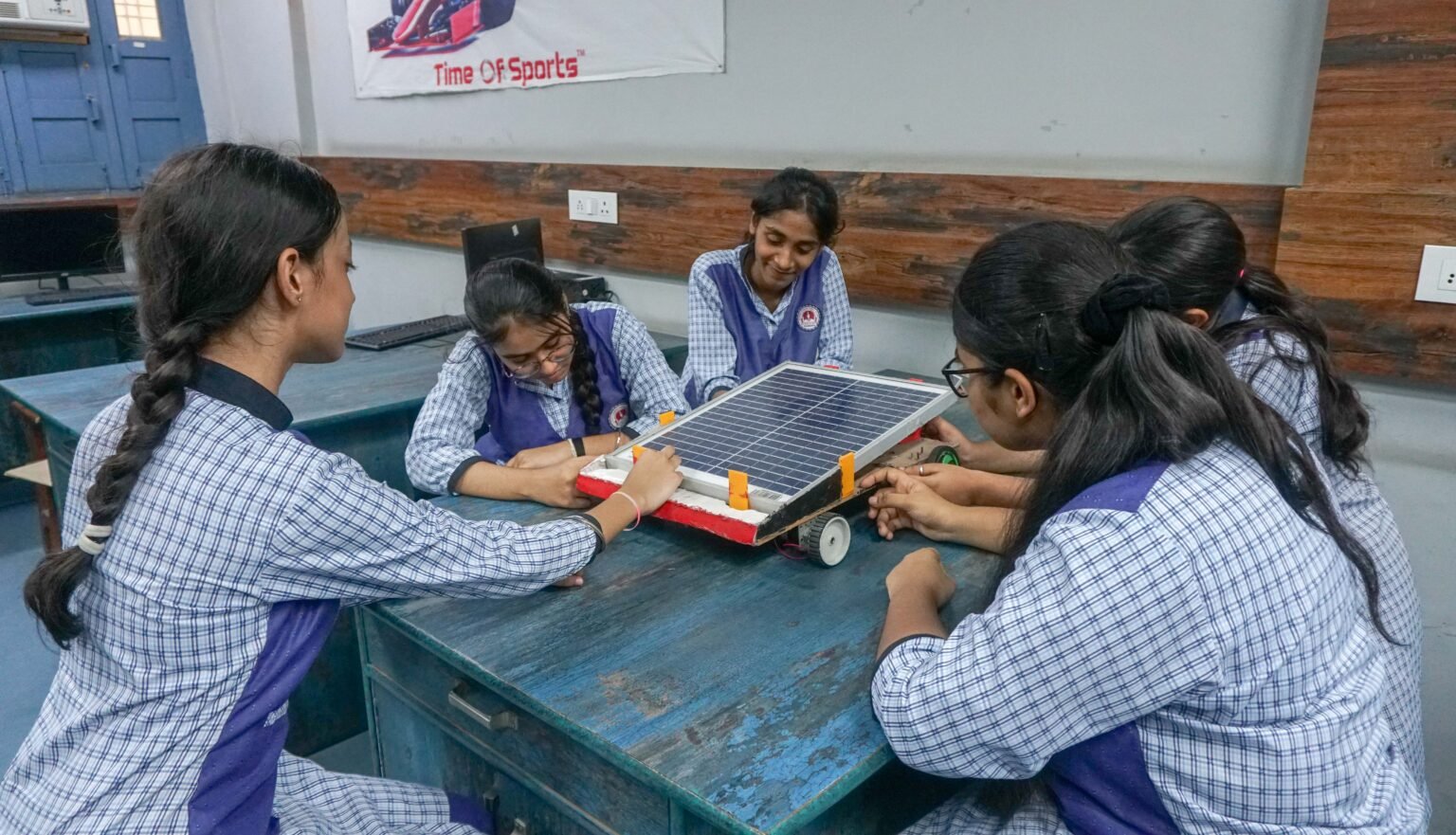
At Little Flowers Public Sr. Sec. School, we provide world-class facilities that support both academic excellence and overall development. Our campus is thoughtfully designed to give students the best environment to learn and grow.


The book’s popularity among aspirants stems from its exam-oriented approach .
The book is meticulously structured to cover the evolution of the Pakistani state from its ideological roots to its current geopolitical standing.
Professor Muhammad Ikram Rabbani’s (published by Caravan Book House) is widely considered a foundational text for aspirants of competitive examinations in Pakistan, including CSS, PMS, and PCS. This comprehensive work provides a detailed analysis of the country’s historical trajectory, political evolution, and contemporary challenges, making it an essential resource for academic and professional success. About the Author: Prof. Ikram Rabbani
Complex political and social concepts are explained in a clear, structured format suitable for both students and general readers interested in Pakistan’s political evolution. Availability and Digital Access Pakistan Affairs by Ikram Rabbani | PDF - Scribd
Modern editions are updated to include topics relevant to the current FPSC CSS syllabus , such as: Nuclear program safety and security. Regional economic cooperation through SAARC, ECO, and SCO. Hydro-politics and water issues. Energy crises and their socio-economic impacts.
Rabbani frequently updates the content to match the evolving requirements of the Federal Public Service Commission (FPSC).
Professor Muhammad Ikram Rabbani was a distinguished academic and authority on International Relations, Political Science, and Pakistan Affairs. He served at prestigious institutions like Government College University (GCU), Lahore, and held administrative roles such as Secretary of the Board of Intermediate and Secondary Education, Lahore. Beyond academia, he was also a prolific writer and a former international cricket umpire.
The work details major political eras, including the regimes of Yahya Khan, Z.A. Bhutto, and Zia-ul-Haq. It provides insights into constitutional developments, such as the 1973 Constitution, and the transition of power between democratic governments and martial law periods.